The concept of justice is deeply ingrained in our society, yet its definition and application can be complex and multifaceted. This book list examines the various dimensions of justice, from legal systems to social justice movements, offering valuable insights and diverse perspectives.
Whether you're interested in exploring the principles of fairness and equality or seeking to better understand the challenges and intricacies of achieving justice, this collection is a must-read. Embark on a thought-provoking journey into the world of justice with these compelling titles.
The best 21 Justice books
- 1

The Fire Next Time
James Baldwin
Teaser: A Compelling Exploration of Racism, Religion, and Resilience
4.3 (115 ratings)
Listen to the Intro01:38What's The Fire Next Time about?
The Fire Next Time (1963) explores the roots of racism and the possibility of change through two passionately argued essays on religion, justice, and the Black experience in America.
Who should read The Fire Next Time?
- Students curious about the signature voices of the American civil rights movement
- Those seeking insight into the interplay of racism and religion in society
- Anyone craving clarity and wisdom on issues of justice, faith, and reconciliation that still resonate today
- Listen to the Intro01:09
What's Citizen about?
Citizen (2024) is a reflective memoir that explores former US president Bill Clinton’s life after leaving the White House. It covers pivotal moments in recent history, alongside personal insights about public service and the importance of building a better future. Through these reflections, Clinton emphasizes the power of community and individual action in shaping a more just and compassionate world.
Who should read Citizen?
- Civic-minded professionals seeking inspiration for community engagement
- Socially conscious leaders aiming to drive meaningful change
- History enthusiasts interested in post-presidential perspectives
What's Slavery by Another Name about?
Slavery by Another Name by Douglas A. Blackmon exposes the little-known system of forced labor that persisted in the United States long after the abolition of slavery. Through extensive research and compelling storytelling, the book reveals how African Americans were re-enslaved through convict leasing, debt peonage, and other forms of exploitation, and the profound impact it had on shaping the racial and economic inequalities that still exist today.
Who should read Slavery by Another Name?
- Anyone interested in the history of slavery and its aftermath in the United States
- Individuals who want to deepen their understanding of racial injustice and its long-term effects
- Readers who appreciate well-researched and thought-provoking non-fiction books
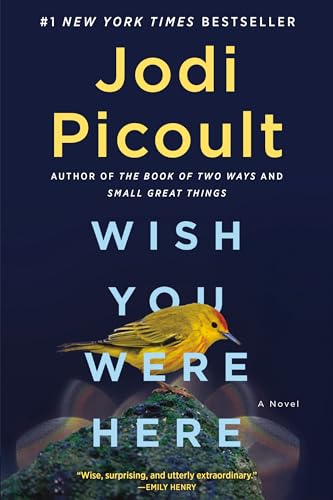
What's Small Great Things about?
Small Great Things by Jodi Picoult is a thought-provoking novel that delves into issues of race, privilege, and justice. It tells the story of Ruth, an African American labor and delivery nurse who is taken to court after a baby in her care dies. The book challenges readers to examine their own beliefs and biases, and raises important questions about equality and the complexities of the legal system.
Who should read Small Great Things?
- Readers who are interested in exploring race, privilege, and social justice
- Individuals who enjoy thought-provoking and emotionally impactful storytelling
- Those who are open to challenging their own perspectives and biases
What's Rethinking Incarceration about?
Rethinking Incarceration by Dominique DuBois Gilliard challenges the traditional approach to criminal justice and offers a compelling argument for a more restorative and redemptive system. Through a combination of personal stories, historical analysis, and biblical interpretation, Gilliard calls for a shift away from punitive measures and towards rehabilitation and community-based solutions. This thought-provoking book invites readers to reconsider their views on incarceration and advocate for meaningful change.
Who should read Rethinking Incarceration?
- Individuals interested in criminal justice reform and racial equality
- Church leaders and community organizers looking to address mass incarceration
- Those seeking a deeper understanding of the intersection of faith and justice
What's Missoula about?
Missoula (2015) is a gripping investigative book by Jon Krakauer that examines the prevalence of sexual assaults in a college town. Focusing on the experiences of several female students and the way their cases were handled by the criminal justice system, the book sheds light on the complexities and challenges of prosecuting such crimes.
Who should read Missoula?
- Individuals interested in understanding the complexities of sexual assault cases on college campuses
- Parents, students, and educators seeking to create safer environments at universities
- Advocates and activists working to address and prevent sexual violence
What's Shantaram about?
Shantaram is a gripping novel by Gregory David Roberts that takes you on an extraordinary journey through the underworld of Bombay. Based on the author's own experiences, it tells the story of Lin, an escaped convict who finds love, friendship, and redemption in a city filled with beauty and brutality. With vivid descriptions and compelling characters, this book will captivate you from beginning to end.
Who should read Shantaram?
- Readers who enjoy immersive and richly detailed storytelling
- Those with a fascination for the vibrant and complex city of Bombay (Mumbai)
- People looking for a thought-provoking exploration of redemption, identity, and the human experience
What's The Round House about?
The Round House by Louise Erdrich is a gripping novel that delves into the complexities of justice and family on a Native American reservation. When a brutal attack leaves his mother traumatized, thirteen-year-old Joe seeks to uncover the truth and bring the perpetrator to justice. Set against the backdrop of Ojibwe culture and tradition, this book explores themes of identity, resilience, and the enduring power of community.
Who should read The Round House?
- Readers who enjoy literary fiction with a strong sense of place
- Individuals interested in exploring issues of justice and Native American culture
- Those who appreciate nuanced and complex characters facing moral dilemmas
What's The Other Wes Moore about?
The Other Wes Moore by Wes Moore is a thought-provoking book that explores the lives of two men with the same name who grew up in similar circumstances but ended up with very different destinies. Through personal anecdotes and in-depth research, Moore delves into the factors that shaped their lives and raises important questions about family, education, and the choices we make.
Who should read The Other Wes Moore?
- Individuals seeking to understand the impact of environment and personal choices on one's life outcomes
- Readers interested in thought-provoking stories and social issues
- Those who enjoy biographies and narratives that inspire self-reflection and empathy
What's Tattoos on the Heart about?
Tattoos on the Heart by Gregory Boyle is a powerful book that shares the author's experiences working with gang members in Los Angeles. Through heartfelt stories and insightful reflections, Boyle challenges our notions of kinship and compassion, and offers a glimpse into the lives of those society often overlooks. It is a moving testament to the resilience of the human spirit and the transformative power of unconditional love.
Who should read Tattoos on the Heart?
- Readers seeking inspiring stories of redemption and resilience
- Those interested in gaining a deeper understanding of the challenges faced by marginalized communities
- Individuals who appreciate heartfelt and compassionate narratives
What's Divided by Faith about?
Divided by Faith (2000) by Christian Smith and Michael O. Emerson examines the role of religion in perpetuating racial inequality in the United States. Through extensive research and interviews, the authors argue that the evangelical worldview inadvertently contributes to the division between black and white Americans by emphasizing individualism and downplaying the structural and systemic factors that maintain racial disparities.
Who should read Divided by Faith?
- Christians who want to understand the role of race and religion in America
- Individuals seeking to challenge their own biases and assumptions about race
- People interested in exploring the intersection of faith and social justice
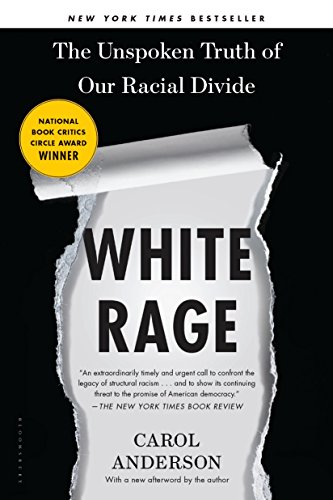
What's White Rage about?
White Rage by Carol Anderson explores the history of systematic oppression and resistance against African Americans in the United States. From the Reconstruction era to the present day, the book examines how policies and actions have been used to maintain white supremacy and hinder black progress. It offers a thought-provoking analysis of the deep-rooted racial inequality in America.
Who should read White Rage?
- Readers who want to understand the historical and contemporary manifestations of racism in the United States
- Individuals who are open to challenging their own perspectives and confronting uncomfortable truths
- People who are interested in social justice and systemic inequality
What's Are Prisons Obsolete? about?
Are Prisons Obsolete? by Angela Y. Davis challenges the notion that imprisonment is the most effective solution to crime. Davis discusses the history and purpose of prisons, their impact on society, and offers alternatives to the current system. This thought-provoking book encourages readers to rethink the way we approach justice and punishment.
Who should read Are Prisons Obsolete??
- Individuals interested in understanding the history and problems of the prison system
- Activists looking for ways to advocate for criminal justice reform
- Policy makers and lawmakers seeking to make informed decisions about incarceration
What's Invisible Man about?
Invisible Man by Ralph Ellison tells the story of a nameless African American man who navigates through a world where he feels unseen and unheard. The novel explores themes of identity, race, and societal expectations, offering a powerful commentary on the realities of life for black Americans in the early 20th century.
Who should read Invisible Man?
- Readers who enjoy thought-provoking and introspective narratives
- Individuals interested in exploring themes of identity, race, and social invisibility
- Those who appreciate rich and symbolic storytelling
What's Killers of the Flower Moon about?
Killers of the Flower Moon by David Grann is a gripping non-fiction book that delves into the shocking true story of a series of murders of wealthy Osage Native Americans in the 1920s. It uncovers a sinister conspiracy and the birth of the FBI as it investigates the killings. A compelling blend of history, true crime, and investigative journalism.
Who should read Killers of the Flower Moon?
- Readers interested in shocking true crime stories
- History enthusiasts curious about little-known events
- Those who enjoy narratives that delve into complex investigations
What's Orange Is the New Black about?
Orange Is the New Black by Piper Kerman is a memoir that takes you inside the walls of a women's prison. With honesty and humor, Kerman shares her experiences and the stories of the women she meets during her time behind bars. It offers a thought-provoking look at the flaws in the criminal justice system and the resilience of those who navigate it.
Who should read Orange Is the New Black?
- People interested in personal stories and memoirs
- Readers who want to learn about the experiences of women in the prison system
- Those curious about the challenges and complexities of life behind bars
What's The Hole in Our Gospel about?
The Hole in Our Gospel by Richard Stearns exposes the disconnect between the teachings of Christianity and its failure to address the social injustices of our world. Through personal stories and insightful analysis, Stearns challenges us to live out our faith by serving the poor and fighting for global equality.
Who should read The Hole in Our Gospel?
- Individuals seeking to understand and address global poverty
- Christians who want to explore the connection between faith and social justice
- Readers interested in personal stories and reflections on making a difference in the world
What's Rich Christians in an Age of Hunger about?
Rich Christians in an Age of Hunger challenges the way we think about poverty and wealth from a Christian perspective. Ronald J. Sider argues that Christians have a moral obligation to address global poverty and inequality. He offers practical solutions and calls for a radical change in our priorities and lifestyles.
Who should read Rich Christians in an Age of Hunger?
- Christians who want to align their faith with a commitment to social justice
- Individuals who are concerned about global poverty and hunger
- Church leaders and members looking to engage in effective and impactful charity work
What's Generous Justice about?
In "Generous Justice," Timothy Keller explores the biblical mandate for social justice and how it is deeply intertwined with the Christian faith. Drawing on both scripture and real-life examples, Keller challenges readers to consider how they can actively seek justice and mercy for the marginalized and oppressed in society. This thought-provoking book offers a compelling argument for why justice should be a central part of our lives as followers of Christ.
Who should read Generous Justice?
- Individuals seeking to understand the biblical perspective on social justice
- Readers interested in exploring the intersection of faith and activism
- Those who want to cultivate a deeper sense of compassion and empathy towards marginalized communities
What's Mountains Beyond Mountains about?
Mountains Beyond Mountains (2003) by Tracy Kidder is a compelling biography that follows the extraordinary life and work of Dr. Paul Farmer. Through his dedication to providing healthcare to the poorest communities around the world, Farmer challenges the status quo and inspires us to rethink our approach to global health and social justice.
Who should read Mountains Beyond Mountains?
- Individuals interested in global health and social justice
- People who want to learn about the life and work of Dr. Paul Farmer
- Readers who enjoy captivating non-fiction narratives
What's The Underground Railroad about?
The Underground Railroad by Colson Whitehead follows the story of a young woman named Cora who escapes from a Georgia plantation and sets out on a journey through the underground railroad. This novel reimagines the historical network of secret routes and safe houses used by African-American slaves to escape to free states, exploring themes of freedom, race, and the power of the human spirit.
Who should read The Underground Railroad?
- Readers who are interested in exploring the history of slavery in America
- Those who enjoy thought-provoking and emotionally impactful stories
- Individuals who appreciate beautiful and evocative writing






Related topics
Frequently asked questions about Justice
What's the best Justice book to read?
While choosing just one book about a topic is always tough, many people regard The Fire Next Time as the ultimate read on Justice.
What are the top 10 Justice books?
Blinkist curators have picked the following:
- The Fire Next Time by James Baldwin
- Citizen by Bill Clinton
- Slavery by Another Name by Douglas A. Blackmon
- Small Great Things by Jodi Picoult
- Rethinking Incarceration by Dominique DuBois Gilliard
- Missoula by Jon Krakauer
- Shantaram by Gregory David Roberts
- The Round House by Louise Erdrich
- The Other Wes Moore by Wes Moore
- Tattoos on the Heart by Gregory Boyle
Who are the top Justice book authors?
When it comes to Justice, these are the authors who stand out as some of the most influential:
- James Baldwin
- Bill Clinton
- Douglas A. Blackmon
- Jodi Picoult
- Dominique DuBois Gilliard