
AP® Chemistry Crash Course by Adrian Dingle provides a comprehensive review of the key concepts and skills needed to succeed on the AP® Chemistry exam. It offers targeted content review, practice questions with detailed explanations, and test-taking strategies to help students maximize their score in a short amount of time.
The best 12 Inorganic Chemistry books
What's AP® Chemistry Crash Course about?
Who should read AP® Chemistry Crash Course?
High school students taking AP® Chemistry who want to review and prepare for the exam
College students enrolled in introductory chemistry courses
Self-learners interested in gaining a solid understanding of chemistry concepts
What's Building Blocks of the Universe about?
Building Blocks of the Universe by Isaac Asimov explores the fundamental elements that make up the world around us. From the periodic table to the structure of atoms, Asimov delves into the fascinating world of chemistry and physics, making complex scientific concepts accessible to all readers. This book is a captivating journey through the building blocks of our universe.
Who should read Building Blocks of the Universe?
Science enthusiasts who want to deepen their understanding of the elements that make up the world
Students and educators looking for a comprehensive and engaging exploration of chemistry
Readers curious about the history and significance of the periodic table and its impact on scientific discovery
What's Elemental Haiku about?
Elemental Haiku by Mary Soon Lee is a delightful collection of haikus that explores the periodic table. Each haiku encapsulates the essence of an element, offering a unique perspective on the building blocks of our world. With beautiful illustrations and insightful commentary, this book takes readers on a poetic journey through the elements.
Who should read Elemental Haiku?
Science enthusiasts who enjoy poetry and want to explore the beauty of the periodic table
Teachers looking for a creative way to introduce chemistry concepts to students
Readers who appreciate clever and thought-provoking haiku that blend art and science
What's Essential Oils Beauty Secrets Reloaded about?
Essential Oils Beauty Secrets Reloaded by Janet Evans is a comprehensive guide to using essential oils for natural beauty and wellness. It provides step-by-step instructions on creating homemade beauty products such as facial masks, hair treatments, and body scrubs using essential oils. With valuable tips and information, this book helps readers harness the power of essential oils to enhance their beauty regimen.
Who should read Essential Oils Beauty Secrets Reloaded?
Individuals who are interested in natural beauty and skincare
People who want to learn how to make their own beauty products using essential oils
Those who are looking for alternative and holistic approaches to personal care
What's Group Theory and Chemistry about?
Group Theory and Chemistry by David M. Bishop provides a comprehensive introduction to the application of group theory in chemistry. It explains how the principles of group theory can be used to understand and predict the behavior of molecules, reactions, and materials. With clear explanations and examples, this book is a valuable resource for students and researchers in the field of chemistry.
Who should read Group Theory and Chemistry?
Undergraduate or graduate students studying chemistry or related fields
Chemists or researchers looking to deepen their understanding of molecular symmetry and its applications
Professionals in the pharmaceutical or materials science industries seeking to apply group theory to their work
What's Lanthanide and Actinide Chemistry about?
Lanthanide and Actinide Chemistry by Simon Cotton provides a comprehensive overview of the chemistry of the lanthanide and actinide elements. It covers topics such as electronic structure, coordination chemistry, and applications in various fields. This book is essential for students and researchers interested in the unique properties and applications of these elements.
Who should read Lanthanide and Actinide Chemistry?
Students and researchers in the field of inorganic chemistry
Chemists and scientists interested in the properties and applications of lanthanides and actinides
Professionals working in industries such as materials science, catalysis, and environmental remediation
What's Modern Inorganic Chemistry about?
Modern Inorganic Chemistry by William L. Jolly provides a comprehensive overview of the principles and applications of inorganic chemistry. This book covers topics such as atomic structure, periodic trends, bonding theories, coordination compounds, and bioinorganic chemistry. It is a valuable resource for students and researchers interested in understanding the role of inorganic compounds in modern science and technology.
Who should read Modern Inorganic Chemistry?
Undergraduate and graduate students studying inorganic chemistry
Chemistry professionals looking to expand their knowledge in the field
Researchers and academics seeking a comprehensive understanding of modern inorganic chemistry
What's Nmr Spectroscopy In Inorganic Chemistry about?
NMR Spectroscopy in Inorganic Chemistry by Jonathan A. Iggo offers a comprehensive guide to the principles and applications of nuclear magnetic resonance (NMR) spectroscopy in the field of inorganic chemistry. It covers the theoretical background, experimental techniques, and interpretation of NMR spectra for various types of inorganic compounds, making it an essential resource for researchers and students in this area.
Who should read Nmr Spectroscopy In Inorganic Chemistry?
Students and researchers in the field of inorganic chemistry
Professionals seeking to expand their understanding of NMR spectroscopy
Individuals interested in the application of NMR techniques to study inorganic compounds
What's Sol-Gel Science about?
Sol-Gel Science by C. Jeffrey Brinker provides a comprehensive overview of the sol-gel process, which involves converting a chemical solution into a solid material. The book delves into the fundamental principles, experimental techniques, and various applications of sol-gel science in fields such as materials science, chemistry, and engineering. It is a valuable resource for researchers and students interested in understanding and harnessing the unique properties of sol-gel materials.
Who should read Sol-Gel Science?
Materials scientists and engineers seeking a comprehensive understanding of sol-gel science
Researchers and academics looking to expand their knowledge of sol-gel processing and applications
Professionals in industries such as electronics, optics, and coatings who want to explore the potential of sol-gel technology
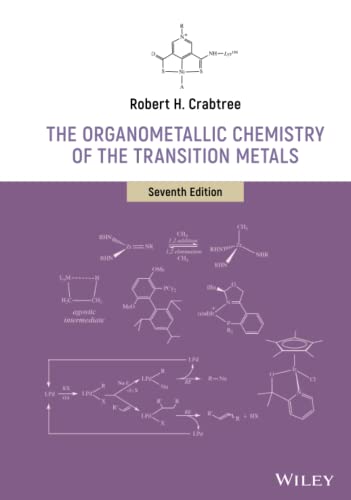
What's The Organometallic Chemistry of the Transition Metals about?
The Organometallic Chemistry of the Transition Metals provides a comprehensive overview of the field, covering topics such as bonding, reaction mechanisms, and applications in catalysis. Written by Robert H. Crabtree, this book is a valuable resource for students and researchers interested in understanding the unique chemistry of organometallic compounds.
Who should read The Organometallic Chemistry of the Transition Metals?
Chemistry students and professionals seeking a comprehensive understanding of organometallic chemistry
Researchers and academics looking to stay up-to-date with the latest advancements in the field
Scientists and engineers working in the pharmaceutical, materials, or catalysis industries
What's The Voyageur's Highway about?
The Voyageur's Highway by Grace Lee Nute delves into the history of the fur trade in North America, focusing on the waterways used by French-Canadian voyageurs. Through meticulous research and engaging storytelling, Nute uncovers the challenges and triumphs of these early explorers, shedding light on a lesser-known aspect of Canadian and American history.
Who should read The Voyageur's Highway?
History enthusiasts who want to learn about the fur trade and exploration of the Great Lakes region
Travelers interested in retracing the route of the voyageurs and experiencing the wilderness of northern Minnesota
Outdoor adventurers who enjoy canoeing, camping, and exploring remote waterways
What's Solid State Chemistry and Its Applications about?
Solid State Chemistry and Its Applications by Anthony R. West provides a comprehensive introduction to the principles and applications of solid state chemistry. It covers topics such as crystal structures, defects, phase transitions, and the properties of solids, with a focus on real-world applications in materials science, nanotechnology, and electronics. Whether you're a student or a researcher, this book offers valuable insights into the fascinating world of solid state chemistry.
Who should read Solid State Chemistry and Its Applications?
Undergraduate or graduate students studying solid state chemistry
Chemistry or materials science researchers exploring the properties and applications of solid state materials
Professionals in industry working with electronic, magnetic, or optical materials




Related topics
Frequently asked questions about Inorganic Chemistry
What's the best Inorganic Chemistry book to read?
While choosing just one book about a topic is always tough, many people regard AP® Chemistry Crash Course as the ultimate read on Inorganic Chemistry.
What are the top 10 Inorganic Chemistry books?
Blinkist curators have picked the following:
- AP® Chemistry Crash Course by Adrian Dingle
- Building Blocks of the Universe by Isaac Asimov
- Elemental Haiku by Mary Soon Lee
- Essential Oils Beauty Secrets Reloaded by Janet Evans
- Group Theory and Chemistry by David M. Bishop
- Lanthanide and Actinide Chemistry by Simon Cotton
- Modern Inorganic Chemistry by William L. Jolly
- Nmr Spectroscopy In Inorganic Chemistry by Jonathan A. Iggo
- Sol-Gel Science by C. Jeffrey Brinker
- The Organometallic Chemistry of the Transition Metals by Robert H. Crabtree
Who are the top Inorganic Chemistry book authors?
When it comes to Inorganic Chemistry, these are the authors who stand out as some of the most influential:
- Adrian Dingle
- Isaac Asimov
- Mary Soon Lee
- Janet Evans
- David M. Bishop