
A History of the Bible by John Barton offers a comprehensive exploration of the origins, development, and interpretations of the Bible. From its ancient manuscripts to its modern-day translations, Barton delves into the complex history of this influential text, shedding light on its profound impact on religion, culture, and society.
The best 15 History Of Religion books
What's A History of the Bible about?
Who should read A History of the Bible?
Readers who are curious about the origins and evolution of the Bible
Individuals interested in the intersection of religion, history, and literature
Those who want to explore different interpretations and understandings of biblical texts
What's Black Wave about?
Black Wave by Kim Ghattas is a compelling exploration of the complex and turbulent history of the Middle East. Through extensive research and firsthand interviews, Ghattas delves into the events and ideologies that have shaped the region, from the Iranian Revolution to the Arab Spring. The book offers a nuanced analysis of the power struggles, religious divides, and geopolitical dynamics that continue to impact the Middle East today.
Who should read Black Wave?
Readers interested in understanding the complex dynamics of the Middle East
Individuals looking to gain insights into the historical and cultural factors shaping the region
Those who want to explore the impact of geopolitical events on people's lives
What's Evolution of the Word about?
Evolution of the Word by Marcus J. Borg explores the historical and cultural context in which the New Testament was written. It delves into the evolution of the Christian scriptures, shedding light on the various interpretations and translations that have shaped the way we understand the Word today. A thought-provoking read for anyone interested in the origins of the Bible.
Who should read Evolution of the Word?
Individuals interested in exploring the historical and cultural context of the New Testament
Readers seeking a deeper understanding of the evolution of Christian theology
Those who appreciate a scholarly yet accessible approach to biblical interpretation
What's Letters and Papers from Prison about?
Letters and Papers from Prison is a collection of writings by the renowned theologian Dietrich Bonhoeffer, who was imprisoned by the Nazi regime during World War II. In these deeply personal and thought-provoking letters, Bonhoeffer reflects on faith, the nature of reality, and the role of Christianity in a world filled with suffering and injustice. Despite the bleak circumstances, his words offer profound insights and a message of hope.
Who should read Letters and Papers from Prison?
Individuals seeking spiritual and existential insights
Readers interested in the history of World War II and the resistance against Nazi regime
People looking for personal growth and moral reflections through the experiences of a courageous figure
What's No Man Knows My History about?
No Man Knows My History by Fawn M. Brodie is a groundbreaking biography of Joseph Smith, the founder of the Mormon religion. Brodie delves into Smith's life, from his early years to his founding of the Church of Jesus Christ of Latter-day Saints, and challenges many of the traditional beliefs about him. Through extensive research and analysis, the book offers a fascinating and thought-provoking exploration of a controversial figure in American history.
Who should read No Man Knows My History?
Readers with an interest in the history of the Mormon Church and its founder, Joseph Smith
Those who enjoy biographies that challenge traditional narratives and offer new perspectives
Individuals who are curious about the intersection of religion, myth, and historical truth
What's Psychology and Religion about?
Psychology and Religion by Carl Gustav Jung explores the relationship between psychological concepts and religious beliefs. Jung delves into the unconscious mind, archetypes, and the collective unconscious, offering insights into the ways in which religious experiences and symbols are rooted in our psychological makeup.
Who should read Psychology and Religion?
Individuals interested in exploring the intersection of psychology and religion
Psychologists, therapists, and counselors seeking a deeper understanding of spiritual matters
Readers curious about Carl Jung's perspective on the human psyche and its connection to religious experiences
What's Religion and the Decline of Magic about?
Religion and the Decline of Magic by Keith Thomas explores the transformation of beliefs and practices in early modern England. It delves into the gradual shift from a world infused with magical thinking to one dominated by religious orthodoxy and scientific rationality. Drawing on a wide range of sources, the book offers a comprehensive analysis of how societal changes and religious reforms contributed to the decline of magic.
Who should read Religion and the Decline of Magic?
Individuals interested in the historical intersection of religion and magic
Readers curious about the evolution of superstitions and beliefs in early modern England
Those seeking a scholarly exploration of how societal changes can impact spiritual practices
What's Shadowland: From Jeffrey Epstein to the Clintons, from Obama and Biden to the Occult Elite about?
Shadowland: From Jeffrey Epstein to the Clintons, from Obama and Biden to the Occult Elite by Thomas Horn delves into the dark and mysterious world of conspiracy theories and hidden agendas. It explores the connections between powerful figures and secret societies, shedding light on the shadowy forces that may be influencing global events.
Who should read Shadowland: From Jeffrey Epstein to the Clintons, from Obama and Biden to the Occult Elite?
Readers who are curious about the hidden influences and power dynamics in the world
Those who want to gain a deeper understanding of the connections between politics, occultism, and elite circles
Individuals who are open-minded and willing to explore controversial and thought-provoking topics
What's Strange Glory about?
Strange Glory by Charles Marsh is a compelling biography that delves into the life of German theologian Dietrich Bonhoeffer. Through extensive research and access to Bonhoeffer's personal letters and papers, Marsh paints a vivid portrait of a man who grappled with faith, ethics, and the role of the church in the face of Nazi Germany. It offers a thought-provoking exploration of Bonhoeffer's resistance against the regime and his enduring legacy.
Who should read Strange Glory?
Readers interested in the life and thought of Dietrich Bonhoeffer
Those seeking a deeper understanding of the complexities of faith and resistance in the face of tyranny
Individuals who appreciate biographies that offer rich historical and cultural context
What's The Closing of the Western Mind about?
The Closing of the Western Mind by Charles Freeman explores the transition from classical antiquity to the Middle Ages and the profound impact of Christianity on Western thought. Drawing on historical and philosophical sources, Freeman delves into the intellectual and cultural changes that took place during this period, shedding light on the suppression of alternative beliefs and the rise of dogmatic Christian theology.
Who should read The Closing of the Western Mind?
Readers who are interested in the intersection of religion, philosophy, and history
Those who want to understand the impact of Christianity on Western civilization
Individuals who enjoy thought-provoking and intellectually challenging books
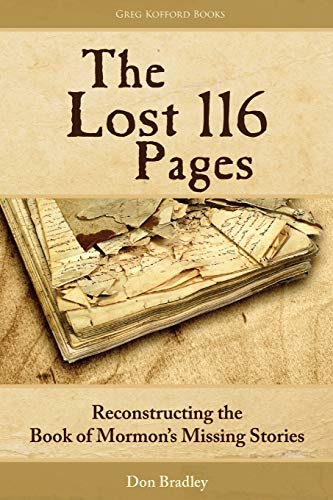
What's The Lost 116 Pages about?
The Lost 116 Pages by Don Bradley delves into the mysterious disappearance of the original manuscript of the Book of Mormon. Through meticulous research and compelling storytelling, Bradley uncovers the untold stories and teachings that were lost to history. This thought-provoking book sheds new light on the early days of Mormonism and challenges our understanding of its foundational text.
Who should read The Lost 116 Pages?
Readers who are interested in the history and early development of the Book of Mormon
Individuals who enjoy exploring lost or hidden narratives
Those who appreciate scholarly research and analysis of religious texts
What's The Spiral Staircase about?
The Spiral Staircase is a memoir by Karen Armstrong that delves into her personal journey from a strict Catholic upbringing to her time as a nun and ultimately her decision to leave the convent. Armstrong reflects on her struggles with faith and her search for meaning, offering profound insights into the nature of spirituality and the human experience.
Who should read The Spiral Staircase?
Readers who are interested in personal stories of spiritual exploration and growth
Individuals seeking to understand the complexities of faith and religion
Those looking for inspiration and guidance in their own journey towards self-discovery and meaning
What's The Theft of America’s Soul about?
The Theft of America's Soul by Phil Robertson delves into the moral and spiritual decline of the United States. Drawing from his own experiences and beliefs, Robertson explores how the country has strayed from its founding principles and offers insights on how to reclaim its soul. It is a thought-provoking book that challenges readers to reflect on the state of their nation.
Who should read The Theft of America’s Soul?
Individuals seeking to understand the moral and spiritual decline in America
Readers interested in the intersection of faith and culture
Those who want to explore solutions for restoring virtue and values in society
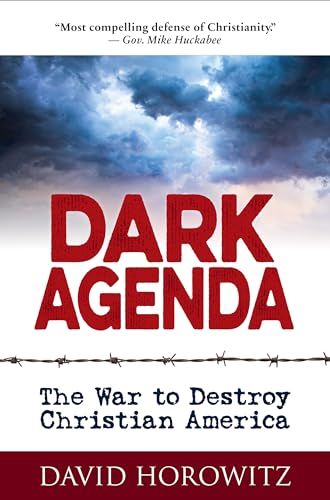
What's Dark Agenda about?
Dark Agenda by David Horowitz delves into the hidden war against traditional values and religious freedom in America. Horowitz argues that a radical leftist agenda is seeking to undermine Christianity and reshape the country. Through extensive research and analysis, the book sheds light on the tactics and motivations behind this “dark agenda” and calls for a renewed defense of faith and freedom.
Who should read Dark Agenda?
- Individuals who are interested in understanding the cultural and political forces shaping America
- Readers who want to gain insights into the challenges facing Christianity in modern society
- Those who are open to exploring alternative perspectives and engaging in critical thinking
What's The Battle for God about?
The Battle for God by Karen Armstrong explores the rise of religious fundamentalism in Christianity, Judaism, and Islam. Armstrong delves into the history and ideology behind these movements, examining their impact on society and the potential for coexistence with secular values. Through meticulous research and insightful analysis, she offers a compelling perspective on the ongoing struggle between traditional faith and modernity.
Who should read The Battle for God?
Readers who are curious about the origins and motivations of religious fundamentalism
Individuals seeking to understand the complexities of faith in the modern world
Those interested in exploring the intersection of religion, politics, and society





Related topics
Frequently asked questions about History Of Religion
What's the best History Of Religion book to read?
While choosing just one book about a topic is always tough, many people regard A History of the Bible as the ultimate read on History Of Religion.
What are the top 10 History Of Religion books?
Blinkist curators have picked the following:
- A History of the Bible by John Barton
- Black Wave by Kim Ghattas
- Evolution of the Word by Marcus J. Borg
- Letters and Papers from Prison by Dietrich Bonhoeffer
- No Man Knows My History by Fawn M. Brodie
- Psychology and Religion by Carl Gustav Jung
- Religion and the Decline of Magic by Keith Thomas
- Shadowland: From Jeffrey Epstein to the Clintons, from Obama and Biden to the Occult Elite by Thomas Horn
- Strange Glory by Charles Marsh
- The Closing of the Western Mind by Charles Freeman
Who are the top History Of Religion book authors?
When it comes to History Of Religion, these are the authors who stand out as some of the most influential:
- John Barton
- Kim Ghattas
- Marcus J. Borg
- Dietrich Bonhoeffer
- Fawn M. Brodie