Theology delves into the study of religious beliefs, practices, and their impact on society, offering profound insights into our understanding of faith and spirituality. Our curated book list on theology serves as a resourceful guide to navigating the diverse facets of this complex subject.
Explore these enlightening titles to deepen your knowledge and broaden your perspectives on theology. Ready to expand your understanding of the divine and explore the profound mysteries of faith?
The best 35 Theology books
- Listen to the Intro01:06
What's Why Religion? about?
Why Religion? (2018) is a personal answer to the question its title poses. Rather than explaining why anyone should adopt or eschew religious belief, Elaine Pagels’s moving memoir shows how her life experiences led her to the study of religion, and how that study has helped her cope with the difficult events of her life.
Who should read Why Religion??
- Atheists who were once religious
- Students wondering how study can affect life
- Bereaved individuals trying to cope with loss
- 2
 Listen to the Intro01:54
What's Mere Christianity about?
Mere Christianity (1952) is one of the most famous and influential apologetics for the Christian faith ever written. Compiled from C.S. Lewis’s legendary World War II radio broadcasts, it brings together a series of timeless reflections designed to explain and defend Christianity. Mere Christianity outlines Lewis’s arguments for the truth of the Christian doctrine. It also explores what Christian life involves and why Lewis thinks we’re all better off as Christians.
Who should read Mere Christianity?
- Believers who want to strengthen their faith
- Nonbelievers who like to challenge their worldview
- Non-Christians looking for a clear introduction to Christian beliefs
- Listen to the Intro01:14
What's The Soul of the World about?
In an age where science and atheism seek to explain everything we are, The Soul of the World (2014) argues for the continued importance of religion. It doesn’t preach for a particular doctrine; rather, it claims that in art, music, architecture, and interpersonal relations, there is a striving toward the sacred that science alone can’t explain or fulfill. Finally, it argues that by devaluing or ignoring the transcendent, we are willfully giving up one of the very things that makes us human.
Who should read The Soul of the World?
- Atheists, agnostics, and scientists seeking a challenge to their worldview
- Conservatives, traditionalists, and religious people
- Lovers of philosophy, music, or art
- Listen to the Intro01:03
What's Learning to Pray about?
Learning to Pray (2021) unpacks one of the most important yet misunderstood aspects of spiritual life: prayer. What’s the purpose of prayer? How do you pray “correctly?” What should you expect when you pray? These are just some of the questions that often stand between believers and this deeply rewarding practice. And there’s no better way of answering them than by looking back through the different styles and rituals of prayer found in the Christian tradition.
Who should read Learning to Pray?
- Believers struggling with prayer
- Agnostics and skeptics with an open mind
- History buffs
- 5

The Women of the Bible Speak
Shannon Bream
The Wisdom of 16 Women and Their Lessons for Today
4.4 (134 ratings)
Listen to the Intro01:13What's The Women of the Bible Speak about?
The Women of the Bible Speak (2021) tells the story of the women of the Bible, describing their lives in all of their richness. Some of their stories are tragic, some are empowering, some are just very human. But they are all central to the Christian story, and come with their own special lessons and wisdom. The Women of the Bible Speak shows us that even within the rigid hierarchies of the ancient world, women were instrumental.
Who should read The Women of the Bible Speak?
- Christians
- Anyone interested in the history of the Bible
- Those looking for inspiration and wisdom from the ancient world
- Listen to the Intro01:12
What's The Black Church about?
The Black Church (2021) tells the story of Christianity in the Black community, from the conversion of enslaved people in the 1600s to the founding of Black denominations and today’s COVID-19 pandemic. The book highlights how the Black church evolved over centuries, and the various social and political roles it has played.
Who should read The Black Church?
- People interested in the culture and history of African American people
- Those curious about religious history
- Anyone interested in sociology
- Listen to the Intro00:54
What's Dominion about?
Dominion (2021) is a grandiose look at the impact Christianity has had on the development of the Western mind. From its roots in antiquity to the pop singles of the twentieth century, the story follows the dramatic development of Christian thought over three thousand years.
Who should read Dominion?
- Lovers of broad-sweep history
- Those looking for an insouciant take on European history
- Anyone who thinks they know what Christianity is all about
- 8

Why the Universe Is the Way It Is
Hugh Ross
Using Science and Scripture to Answer Humanity’s Big Questions
3.7 (129 ratings)
Listen to the Intro01:37What's Why the Universe Is the Way It Is about?
Why The Universe Is the Way It Is (2008) takes you on a cosmic journey from the Big Bang to the mysteries of time, all while exploring the universe's beauty and complexity. With a perfect balance of science and theology, it's a must-read for the curious and contemplative.
Who should read Why the Universe Is the Way It Is?
- Curious cosmic explorers
- Theological scientists
- “Big picture” modern philosophers
- 9

Purity and Danger
Mary Douglas
Investigations on the Human Obsession With Dirt and Cleanliness
3.8 (160 ratings)
Listen to the Intro02:43What's Purity and Danger about?
Purity and Danger (1966) presents a framework for understanding different societies and religions according to what they find pure and sacred and what they consider unclean and out of place. Cultures organize their experiences, values, and worldview into binary categories: either something is “dirty” and does not belong, or it is pure or holy. Sometimes, something – or someone – is both or neither. By looking at how other cultures make these distinctions, you can become more aware of how your own is organized.
Who should read Purity and Danger?
- Cultural theory and anthropology students looking for an introduction to Douglas’s works
- Anyone interested in comparative religion
- Curious-minded people hungry for a new perspective
- Listen to the Intro01:41
What's Gentle and Lowly about?
Gentle and Lowly: The Heart of Christ for Sinners and Sufferers (2020) takes us into the core of Christ’s teachings to reveal the boundless mercy and grace of God’s heart. By diving into scripture and the teachings of the Puritans, this title reassures those who have strayed from Christ of the miracle of his radical love.
Who should read Gentle and Lowly?
- Believers of all stripes
- Agnostics
- Atheists interested in scripture
- Listen to the Intro01:15
What's God Here and Now about?
God Here and Now (1964) is a collection of addresses and essays that explore fundamental tenets of Christianity from a Protestant theologian’s point of view. Covering the gospel, faith, grace, the Bible, the Church, ethics, and humanism, it poses questions on what it means to meet God in today’s world.
Who should read God Here and Now?
- People curious about the perspective of a modern Protestant thinker
- Christians who want to better understand and implement scripture
- Anyone grappling with questions regarding faith, ethics, or humanism
- 12

The Bible Recap
Tara-Leigh Cobble
A One-Year Guide to Reading and Understanding the Entire Bible
4.3 (143 ratings)
Listen to the Intro01:55What's The Bible Recap about?
The Bible Recap (2020) is a chronological and easy-to-understand explanation of what many consider to be the most important book in the world. By offering short and simple analyses of a few passages at a time, it breaks down this huge work of scripture into easily consumable chunks, designed to be read one a day for a year.
Who should read The Bible Recap?
- Confused faithful who’ve tried and failed to read the Bible
- Passionately devoted people looking for a deeper understanding of God's word
- The religiously curious who want to take some of the mystery out of this ancient book
- 13

Life Worth Living
Miroslav Volf, Matthew Croasmun and Ryan McAnnally-Linz
A Guide to What Matters Most
4.3 (441 ratings)
Listen to the Intro01:08What's Life Worth Living about?
Life Worth Living (2023) is about discovering your own vision for a meaningful life. It offers a wide spectrum of philosophic and theological ideas in order to better understand what is most important to you, and how to turn that understanding into action.
Who should read Life Worth Living?
- Anyone who’s ever wondered about the meaning of life
- People interested in theology and comparative religion studies
- Curious minds looking for inspiration and guidance
- Listen to the Intro00:44
What's Summa Theologica about?
The Summa Theologica (1485), unfinished at the author’s death in 1274, dives into the depths of Christian theology, systematically exploring topics such as God, Christ, and the Holy Trinity. It dissects theological and philosophical arguments to present a comprehensive understanding of Christian doctrines.
Who should read Summa Theologica?
- Aspiring theologians
- Philosophy students
- History enthusiasts
- Listen to the Intro00:45
What's The Consolation of Philosophy about?
The Consolation of Philosophy (524) provides an exploration into distress and suffering. It delivers a philosophical perspective on life’s harsh realities, putting forward the idea that wisdom can bring solace, even in dire circumstances.
Who should read The Consolation of Philosophy?
- Philosophy enthusiasts
- Seekers of wisdom
- Those facing distress
- 16

The Cost of Discipleship
Dietrich Bonhoeffer
Teaser: Living Boldly in Following Christ
4.0 (60 ratings)
Listen to the Intro00:38What's The Cost of Discipleship about?
The Cost of Discipleship, first released in 1937, examines the fundamental commitment required to truly follow the teachings of Jesus Christ. It explores the idea of “cheap grace” versus “costly grace,” presenting an argument that genuine discipleship demands a substantial personal sacrifice.
Who should read The Cost of Discipleship?
- Theology students
- Practicing Christians
- Readers interested in religious philosophy
- Listen to the Intro00:30
What's Confessions about?
Confessions (A.D. 397-400) is about Saint Augustine’s profound spiritual journey that led him to embrace Christianity. Sparked by self-awareness and a deep internal struggle, it highlights the path to finding divine grace.
Who should read Confessions?
- Philosophers seeking spiritual insights
- Believers exploring Christianity
- Students of theology
- 18

Ethics_Spinoza
Baruch Spinoza
Teaser: Explore God, Reason, and the Human Spirit in This Great Work
4.5 (306 ratings)
Listen to the Intro02:46What's Ethics_Spinoza about?
Ethics (1677) is Spinoza’s enigmatic masterwork that changed philosophy. One of only two published works by the author, with the other published anonymously, the text became a flashpoint for divisions around the nature of god, religion, and nature, as well as a foundation for traditions of western mysticism and spirituality ever since.
Who should read Ethics_Spinoza?
- Philosophy lovers curious about the works that shaped modern thought
- History buffs looking for more on the great minds of the past
- Mystical thinkers curious about the nature of the universe
- Listen to the Intro02:28
What's The Divine Comedy about?
The Divine Comedy (c. 1321) is an epic narrative poem that stands as one of the most celebrated works in Western literature. It tells the tale of a man who is taken on a journey through hell, purgatory, and finally to heaven. In doing so, it shows the path of one man’s soul toward God and reveals a philosophy that continues to be relevant today.
Who should read The Divine Comedy?
- Fans of classic literature
- History and philosophy enthusiasts
- Anyone interested in theology, symbolism, and the afterlife
- 20

Reading Genesis
Marilynne Robinson
Teaser: Discover the Literary Richness and Deep Meanings of Genesis
3.8 (137 ratings)
Listen to the Intro01:17What's Reading Genesis about?
Reading Genesis (2024) approaches the Book of Genesis as a work of profound literary and theological significance, emphasizing its rich exploration of themes that resonate throughout Scripture. Rather than focusing on its historical coherence or literal truth, it celebrates Genesis for its enduring articulation of God’s covenant and the deep meanings found in its stories, expressing gratitude for the divine faith in humanity.
Who should read Reading Genesis?
- Literature lovers interested in narrative structure, themes, and symbolism
- Theologians seeking a deeper appreciation of biblical texts
- Spiritual seekers interested in a thoughtful meditation on the nature of God
- Listen to the Intro01:56
What's Seculosity about?
Seculosity (2019) takes aim at our futile quest for perfection in every aspect of our lives. It suggests that performance-obsessed striving makes us anxious, cruel, and miserable. So why do we continue chasing this mirage? It makes a compelling argument that perfectionism fills the hole left by the decline of capital-R religion: our human need for “enoughness.”
Who should read Seculosity?
- Individuals exploring modern cultural and religious practices
- Readers seeking insights into personal and societal burnout
- Fans of thoughtful, yet accessible theological discussions
- 22

We Who Wrestle with God
Jordan B. Peterson
Teaser: An exploration of foundational Biblical text
3.9 (210 ratings)
Listen to the Intro01:38What's We Who Wrestle with God about?
We Who Wrestle with God (2024) guides us through the Biblical stories that shaped and continue to define Western civilization. Highlighting the psychological and cultural meaning of these foundational texts, it examines themes of rebellion, sacrifice, suffering, and forgiveness, offering readers tools to navigate the chaos of modern life while embracing timeless wisdom.
Who should read We Who Wrestle with God?
- Fans of biblical analysis and psychological insights
- Anyone seeking personal growth and self-improvement
- Admirers of Jordan Peterson’s work
- Listen to the Intro01:26
What's The Book of Genesis about?
The Book of Genesis (c. 1400-400 BCE) is the opening book of the Bible, chronicling creation, humanity's fall, the flood, and the patriarchs Abraham, Isaac, Jacob, and Joseph. These ancient narratives explore fundamental questions about origins, evil, faith, and God's relationship with flawed individuals chosen for extraordinary purposes.
Who should read The Book of Genesis?
- Anyone interested in understanding the Bible's foundational text
- Readers exploring the origins of Judeo-Christian thought and Western civilization
- Those examining ancient stories that continue to influence literature, philosophy, law, and culture worldwide
- Listen to the Intro01:31
What's The Book of Exodus about?
The Book of Exodus (c. 1400-1200 BCE, traditional dating) tells how the Israelites escaped slavery in Egypt, received the law at Mount Sinai, and entered into a covenant with God. It recounts the ten plagues, the Red Sea crossing, Moses receiving the Ten Commandments, the golden calf rebellion, and the construction of the Tabernacle where God's presence would dwell among the people.
Who should read The Book of Exodus?
- Anyone interested in the roots of liberation theology and social justice in religious tradition
- Readers exploring foundational narratives that shaped Judaism and Christianity
- Those curious about ancient law codes and how religious communities understood covenant relationship with the divine
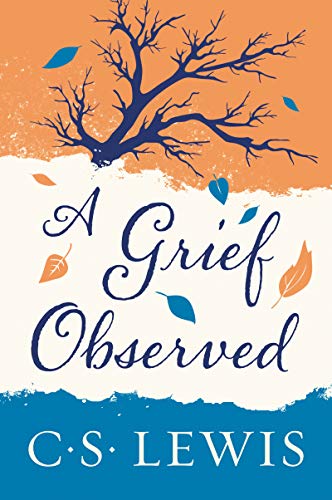
What's A Grief Observed about?
A Grief Observed is a deeply personal account of C.S. Lewis's journey through grief and loss following the death of his wife. Through raw and honest reflections, Lewis grapples with the profound questions of faith, love, and the meaning of life in the face of overwhelming sorrow. This poignant book offers a unique perspective on the universal experience of grief.
Who should read A Grief Observed?
- Those experiencing grief and seeking comfort and understanding
- Individuals interested in exploring the depths of human emotions and the nature of suffering
- Readers looking for profound insights on life, love, and loss
What's A Severe Mercy about?
A Severe Mercy is a deeply moving memoir that chronicles the love story between Sheldon Vanauken and his wife, Jean. Set against the backdrop of Oxford University and their intellectual pursuits, the book explores their deep bond and the profound impact of their Christian faith. It delves into themes of love, loss, and the search for meaning, ultimately offering a powerful reflection on the nature of love and the human experience.
Who should read A Severe Mercy?
- Readers seeking a moving memoir about love, loss, and faith
- People interested in exploring themes of friendship, marriage, and the meaning of life
- Those who enjoy thought-provoking reflections on the human experience
What's After Virtue about?
After Virtue explores the decline of moral reasoning in modern society and argues for a return to Aristotelian ethics. Alasdair MacIntyre critiques the fragmented and subjective nature of moral discourse and offers a compelling case for reviving virtue ethics as a way to address the moral confusion of our time. This thought-provoking book challenges readers to reconsider their understanding of morality and the pursuit of the good life.
Who should read After Virtue?
- Individuals seeking a deeper understanding of morality and ethics
- Philosophy enthusiasts interested in the history and development of moral philosophy
- Readers curious about the connection between virtue and human flourishing
What's Blue Like Jazz about?
Blue Like Jazz is a thought-provoking memoir by Donald Miller that explores his journey towards a more authentic and meaningful faith. Through personal anecdotes and reflections, Miller delves into topics such as spirituality, religion, and the search for truth, offering a fresh perspective on what it means to believe in something greater than ourselves. With wit and honesty, the book challenges readers to question their own beliefs and embrace a more genuine relationship with God.
Who should read Blue Like Jazz?
- Individuals seeking a fresh perspective on faith and spirituality
- Readers who appreciate candid and introspective storytelling
- People looking for a thought-provoking exploration of life's big questions
What's Euthyphro about?
Euthyphro is a philosophical dialogue written by Plato, in which Socrates engages in a debate with Euthyphro about the nature of piety and the definition of holiness. Through their discussion, the book explores the concepts of morality, ethics, and the relationship between the gods and human actions. It challenges readers to critically examine their own beliefs and values.
Who should read Euthyphro?
- Philosophy enthusiasts seeking a deeper understanding of ethical dilemmas
- Students or scholars of ancient Greek philosophy
- Individuals interested in exploring the foundations of moral reasoning and morality
What's Live Not by Lies about?
Live Not by Lies is a thought-provoking book that explores the rise of soft totalitarianism in the Western world. Drawing on interviews with dissidents and survivors of communist regimes, author Rod Dreher argues that we are increasingly living in a society where conformity and political correctness are enforced through subtle forms of coercion. He offers practical advice on how to resist this oppressive system and live a life of truth and freedom. This book challenges readers to critically examine the current state of society and consider the consequences of living a lie.
Who should read Live Not by Lies?
- Individuals seeking to understand the nature of totalitarianism and its impact on society.
- People interested in learning about historical examples of resistance to oppressive regimes.
- Readers who wish to explore strategies for maintaining personal freedom and integrity in hostile environments.
What's The Age of Reason about?
Published in 1794, "The Age of Reason" is a thought-provoking book that challenges traditional religious beliefs and advocates for reason and rational thinking. Thomas Paine critiques organized religion and presents his arguments for a more secular society, emphasizing the importance of individual freedom and critical thinking. This influential work continues to spark debates about faith, reason, and the role of religion in society.
Who should read The Age of Reason?
- Individuals questioning traditional religious beliefs
- People interested in the historical context of the American Revolution
- Readers seeking a rational approach to understanding spirituality and philosophy
What's The Everlasting Man about?
In "The Everlasting Man," G.K. Chesterton explores the history of humanity and the significance of Christianity. Through thought-provoking analysis and engaging storytelling, Chesterton challenges the prevailing views of his time and offers a unique perspective on the origins and enduring influence of the Christian faith. This timeless classic invites readers to ponder the mysteries of existence and the enduring truths of the human experience.
Who should read The Everlasting Man?
- Readers who enjoy exploring the big questions of life and human existence
- Individuals interested in the history of civilization and its impact on modern society
- Those who appreciate thought-provoking and insightful writing
What's The Praise of Folly about?
Published in 1511, "The Praise of Folly" is a satirical work by the Dutch humanist Erasmus. In this thought-provoking book, Folly personified delivers a speech in praise of herself, highlighting the foolishness and irrationality of human behavior. Through witty and sharp criticism, Erasmus challenges societal norms and religious practices of his time, encouraging readers to think critically and seek wisdom.
Who should read The Praise of Folly?
- Curious individuals who enjoy analyzing societal norms and conventions
- Philosophy enthusiasts seeking a satirical critique of human nature and the folly of mankind
- Readers interested in exploring the works of influential Renaissance scholar, Erasmus
What's The Rise and Triumph of the Modern Self about?
In "The Rise and Triumph of the Modern Self," Carl R. Trueman explores the cultural shifts that have led to the widespread acceptance of individualism, identity politics, and the redefinition of gender and sexuality. Tracing the historical and philosophical roots of these changes, Trueman argues that they have fundamentally altered our understanding of the self and society. He offers a thought-provoking analysis of the consequences of these developments and their impact on our lives.
Who should read The Rise and Triumph of the Modern Self?
- Individuals interested in exploring the development of the self in modern society
- Readers who are curious about the cultural forces shaping our understanding of identity
- Those seeking a thoughtful analysis of the challenges and opportunities presented by our quest for self-fulfillment
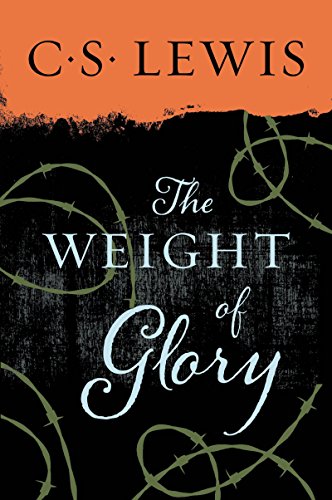
What's The Weight of Glory about?
In "The Weight of Glory," C.S. Lewis explores the concept of glory and its significance in the Christian faith. Through a series of essays, he delves into topics such as the longing for something greater, the idea of heaven, and the transformative power of God's glory. With his characteristic insight and eloquence, Lewis offers thought-provoking reflections on the ultimate purpose of human existence and the eternal rewards that await us. This book challenges readers to reconsider their perspectives on spirituality and the pursuit of true fulfillment.
Who should read The Weight of Glory?
- Readers seeking spiritual enlightenment and deeper understanding of their faith
- Those who appreciate insightful reflections on human nature and the pursuit of virtue
- Individuals looking for inspiration and guidance on living a meaningful and purposeful life




Related topics
Frequently asked questions about Theology
What's the best Theology book to read?
While choosing just one book about a topic is always tough, many people regard Why Religion? as the ultimate read on Theology.
What are the top 10 Theology books?
Blinkist curators have picked the following:
- Why Religion? by Elaine Pagels
- Mere Christianity by C.S. Lewis
- The Soul of the World by Roger Scruton
- Learning to Pray by James Martin
- The Women of the Bible Speak by Shannon Bream
- The Black Church by Henry Louis Gates
- Dominion by Tom Holland
- Why the Universe Is the Way It Is by Hugh Ross
- Purity and Danger by Mary Douglas
- Gentle and Lowly by Dane Ortlund
Who are the top Theology book authors?
When it comes to Theology, these are the authors who stand out as some of the most influential:
- Elaine Pagels
- C.S. Lewis
- Roger Scruton
- James Martin
- Shannon Bream