
High-Performance Java Persistence by Vlad Mihalcea is a comprehensive guide that delves into the intricacies of database interactions in Java applications. It offers valuable insights and practical tips on how to optimize database access, improve performance, and avoid common pitfalls. Whether you're a beginner or an experienced developer, this book will help you master the art of efficient data persistence in Java.
The best 13 Databases books
What's High-Performance Java Persistence about?
Who should read High-Performance Java Persistence?
Java developers looking to optimize their data access layer performance
Database administrators seeking to understand the impact of application code on database performance
Software architects and engineers interested in advanced techniques for working with relational databases in Java
What's Microsoft SQL Server 2014 Query Tuning & Optimization about?
Microsoft SQL Server 2014 Query Tuning & Optimization by Benjamin Nevarez is a comprehensive guide that provides in-depth knowledge and practical tips for optimizing SQL queries. The book covers various performance tuning techniques, query execution plans, indexing strategies, and best practices for improving the overall performance of SQL Server 2014. Whether you are a database administrator, developer, or data analyst, this book will help you master the art of query optimization.
Who should read Microsoft SQL Server 2014 Query Tuning & Optimization?
Database administrators and developers who want to optimize the performance of their SQL Server queries
Professionals who need to troubleshoot and fine-tune slow-running SQL queries
Individuals looking to improve their understanding of query optimization and execution plans in SQL Server
What's MongoDB in Action about?
MongoDB in Action is a comprehensive guide that provides a deep dive into MongoDB, a popular NoSQL database. Written by Kyle Banker, this book covers everything from the basics of MongoDB to advanced topics such as sharding and replication. It also includes real-world examples and best practices for using MongoDB in your own projects.
Who should read MongoDB in Action?
Developers who want to learn how to use MongoDB for building scalable and high-performance applications
Database administrators who are interested in understanding the features and capabilities of MongoDB
Tech professionals who want to stay updated with the latest trends in NoSQL databases and data management
What's MySQL Crash Course about?
MySQL Crash Course by Ben Forta is a concise and practical guide to learning MySQL, a popular open-source database. It covers essential topics such as database design, querying, and administration, making it ideal for beginners and those looking to quickly grasp the fundamentals of MySQL.
Who should read MySQL Crash Course?
Individuals who want to quickly learn and understand MySQL
Professionals looking to enhance their database management skills
Students and developers seeking a comprehensive guide to MySQL
What's Pro SQL Server Internals about?
Pro SQL Server Internals delves into the inner workings of SQL Server, providing a deep understanding of its architecture and mechanisms. Author Dmitri Korotkevitch offers insights and practical advice on how to optimize performance, troubleshoot issues, and make informed decisions when working with SQL Server. Whether you're a database administrator, developer, or data professional, this book equips you with the knowledge to master SQL Server from the inside out.
Who should read Pro SQL Server Internals?
Database administrators and developers who want to deepen their understanding of SQL Server internals
Professionals who need to optimize database performance and troubleshoot issues
Individuals who are passionate about diving into the inner workings of complex systems
What's Database Design for Mere Mortals about?
Database Design for Mere Mortals by Michael J. Hernandez is a comprehensive guide that demystifies the process of designing a database. Written in a clear and engaging style, this book is perfect for beginners and experienced professionals alike. It covers everything from the basics of database design to advanced topics, making it an essential resource for anyone working with databases.
Who should read Database Design for Mere Mortals?
Individuals who want to learn the fundamentals of database design
Professionals who need to create or maintain databases for their job
Students or educators in the field of computer science or information technology
What's Head First SQL about?
Head First SQL by Lynn Beighley is a beginner-friendly guide to learning SQL. Through a visually engaging and interactive format, the book covers essential SQL concepts and techniques. It uses real-world examples and exercises to help readers understand how to use SQL to manage and analyze data effectively.
Who should read Head First SQL?
Individuals who want to learn SQL from scratch and have no prior experience with databases
Professionals who need to work with data and want to improve their SQL skills
Students or educators looking for a beginner-friendly guide to understanding and using SQL
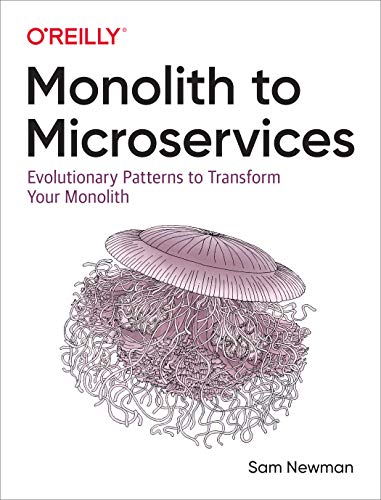
What's Monolith to Microservices about?
Monolith to Microservices by Sam Newman explores the journey of breaking down large, complex software systems into smaller, independent services. It provides practical guidance on the challenges and benefits of transitioning from a monolithic architecture to a microservices-based approach. With real-world examples and insightful advice, this book is essential for anyone looking to modernize their software infrastructure.
Who should read Monolith to Microservices?
Software architects and developers looking to transition from monolithic to microservices architecture
Enterprise IT leaders and decision-makers seeking to modernize their technology infrastructure
Teams responsible for maintaining and evolving large, complex software systems
What's Murach's MySQL about?
Murach's MySQL by Joel Murach is a comprehensive guide to learning and mastering MySQL, a popular open-source relational database management system. The book covers everything from the basics of SQL to advanced topics such as stored procedures, triggers, and security. With clear explanations, practical examples, and exercises, it is suitable for both beginners and experienced developers looking to enhance their MySQL skills.
Who should read Murach's MySQL?
Developers who want to learn how to use MySQL to build and manage databases
Professionals who need to enhance their SQL skills for data analysis and reporting
Students and educators looking for a comprehensive guide to MySQL and database management
What's SQL Queries for Mere Mortals about?
SQL Queries for Mere Mortals by John L. Viescas is a comprehensive guide for beginners and experienced professionals alike. It provides clear explanations and practical examples to help you master the art of writing SQL queries. Whether you're retrieving data, modifying tables, or creating complex joins, this book will equip you with the knowledge and skills you need to become proficient in SQL.
Who should read SQL Queries for Mere Mortals?
Individuals who want to learn how to write effective SQL queries
Professionals looking to improve their data analysis and manipulation skills
Students or beginners in the field of database management
What's SQL Server Execution Plans about?
SQL Server Execution Plans by Grant Fritchey is a comprehensive guide that delves into the inner workings of SQL Server and helps you understand how to interpret and analyze execution plans. Through real-world examples and practical tips, the book equips you with the knowledge to optimize your queries and improve the performance of your SQL Server databases.
Who should read SQL Server Execution Plans?
Database administrators and developers who want to understand and optimize query performance
SQL Server users who want to gain insights into how their queries are executed
Professionals looking to enhance their skills in interpreting and analyzing SQL Server execution plans
What's SQL and Relational Theory about?
SQL and Relational Theory by C. J. Date explores the fundamental concepts of relational databases and how they relate to SQL. It delves into the theoretical aspects of relational databases, such as normalization and integrity constraints, and shows how these concepts are implemented in SQL. The book provides a solid foundation for anyone looking to truly understand and master SQL.
Who should read SQL and Relational Theory?
Professionals working with databases who want to deepen their understanding of SQL and relational theory
Students studying computer science, information systems, or database management
Anyone seeking to improve their skills in designing and querying relational databases
What's The Data Warehouse Toolkit about?
The Data Warehouse Toolkit by Ralph Kimball provides a comprehensive guide to designing and building data warehouses. It covers essential concepts such as dimensional modeling, ETL processes, and data quality, offering practical advice and real-world examples. Whether you're a beginner or an experienced professional, this book equips you with the knowledge and tools needed to create an effective data warehouse.
Who should read The Data Warehouse Toolkit?
Individuals who want to understand the principles and best practices of data warehousing
Professionals working in the field of business intelligence, data analysis, or database management
Students or academics studying data management, data modeling, or data architecture




Related topics
Frequently asked questions about Databases
What's the best Databases book to read?
While choosing just one book about a topic is always tough, many people regard High-Performance Java Persistence as the ultimate read on Databases.
What are the top 10 Databases books?
Blinkist curators have picked the following:
- High-Performance Java Persistence by Vlad Mihalcea
- Microsoft SQL Server 2014 Query Tuning & Optimization by Benjamin Nevarez
- MongoDB in Action by Kyle Banker
- MySQL Crash Course by Ben Forta
- Pro SQL Server Internals by Dmitri Korotkevitch
- Database Design for Mere Mortals by Michael J. Hernandez
- Head First SQL by Lynn Beighley
- Monolith to Microservices by Sam Newman
- Murach's MySQL by Joel Murach
- SQL Queries for Mere Mortals by John L. Viescas
Who are the top Databases book authors?
When it comes to Databases, these are the authors who stand out as some of the most influential:
- Vlad Mihalcea
- Benjamin Nevarez
- Kyle Banker
- Ben Forta
- Dmitri Korotkevitch