Ready to create your ultimate bucket list? This book list will inspire you to dream big and make the most of the time we have. From daring adventures to meaningful experiences, these books will help you craft a bucket list that reflects your passions and values. Get ready to live life to the fullest and check off those unforgettable moments from your list.
The best 22 Bucket List books
- Listen to the Intro01:09
What's Fahrenheit 451 about?
Fahrenheit 451 (1953) tells the tale of a near future with fireproof homes, where firemen are now tasked with the job of burning books. It’s a dystopian future, where pleasure is catered to and intellectualism has been all but extinguished. But after a chance encounter with a free spirit, one fireman starts to question the true purpose of his job.
Who should read Fahrenheit 451?
- Fans of classic literature
- Sci-fi lovers
- Anyone who enjoys a good dystopian novel
- 2

Ulysses
James Joyce
Teaser: Explore the Epic Odyssey of This Towering 20th-Century Classic
4.2 (168 ratings)
Listen to the Intro01:01What's Ulysses about?
Ulysses (1922) is a modernist novel that unfolds over the course of a single day in Dublin on June 16, 1904. The narrative follows two young men as they navigate the city and encounter a diverse array of characters and situations. Through its intricate narrative structures and literary styles, the novel explores themes of identity, consciousness, and the complexities of the human experience.
Who should read Ulysses?
- Fans of classic literature
- Those interested in the origins of modernism
- Anyone curious about a reimagining of The Odyssey
- 3

A Tale of Two Cities
Charles Dickens
Teaser: Travel Between Two Worlds, Witness Revolution and Redemption
4.4 (168 ratings)
Listen to the Intro00:47What's A Tale of Two Cities about?
A Tale of Two Cities (1859) is a historical novel set against the backdrop of the tumultuous times of the French Revolution and London in the late eighteenth century. The story revolves around the lives of Charles Darnay, a French aristocrat, and Sydney Carton, a dissolute English lawyer, who share a striking physical resemblance. As the novel unfolds, it explores themes of sacrifice, resurrection, and the stark contrast between the two cities of Paris and London, ultimately culminating in a powerful and emotionally charged climax.
Who should read A Tale of Two Cities?
- History enthusiasts
- Literature lovers
- Students of social justice
- 4

David Copperfield
Charles Dickens
A 4-Week Plan to Achieve Hormonal Balance, Lose Weight, and Feel Like Yourself Again
4.4 (97 ratings)
Listen to the Intro01:23What's David Copperfield about?
David Copperfield (1850) follows the life of David Copperfield, from his troubled childhood and turbulent adolescence to his growth into a successful writer. It vividly portrays his struggles, relationships, and the colorful characters he encounters, and reflects the complex social issues of Victorian England.
Who should read David Copperfield?
- Lovers of literature after a pacy story studded with dramatic twists and turns
- History buffs keen to know more about day-to-day life in 19th century England
- Anyone interested in one of the Victorian era’s great works of fiction
- 5

Midnight's Children
Salman Rushdie
Teaser: Experience a Magical Journey Through India’s Tumultuous History
3.8 (112 ratings)
Listen to the Intro00:37What's Midnight's Children about?
Midnight’s Children (1981) is the tale of Saleem Sinai, a child born at the stroke of midnight on August 15, 1947 – the exact moment of India’s independence. This biographical and historical coincidence shapes his destiny, connecting him to a thousand other midnight’s children endowed with miraculous powers and intertwining his own fate with that of his nation.
Who should read Midnight's Children?
- Readers who enjoy historical fiction with a touch of magical realism
- Individuals interested in exploring the themes of identity, nationalism, and postcolonialism
- Those looking to delve into a complex and imaginative narrative that challenges conventional storytelling
What's Memoirs of a Geisha about?
Memoirs of a Geisha is a captivating novel that delves into the hidden world of 1930s Kyoto, Japan. Written by Arthur Golden, it tells the story of a young girl named Chiyo who is sold into the life of a geisha. From her training to her eventual rise as one of the most renowned geishas of her time, the book offers a fascinating glimpse into the customs, traditions, and sacrifices of the geisha culture.
Who should read Memoirs of a Geisha?
- Anyone interested in Japanese culture and tradition
- Readers who enjoy immersive and descriptive storytelling
- Individuals curious about the hidden world of geishas and their experiences
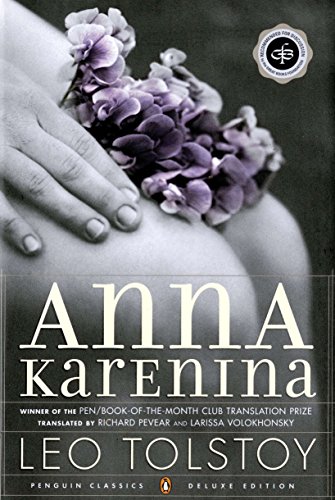
What's Anna Karenina about?
Anna Karenina is a classic novel by Leo Tolstoy that delves into themes of love, infidelity, and the societal norms of 19th century Russia. Through the story of the beautiful and unhappily married Anna Karenina, Tolstoy paints a vivid portrait of the complexities of human relationships and the consequences of challenging societal expectations.
Who should read Anna Karenina?
- Readers who enjoy deep explorations of human psychology and relationships
- Individuals interested in Russian literature and the social dynamics of 19th-century Russia
- People who appreciate complex and multi-layered narratives
What's Matilda about?
Matilda (1988) tells the story of a young girl with extraordinary intelligence and telekinetic powers. Written by Roald Dahl and illustrated by Quentin Blake, the book follows Matilda as she navigates her oppressive family life and challenges the tyrannical headmistress at her school. With themes of empowerment and standing up to injustice, it is a beloved classic for both children and adults.
Who should read Matilda?
- Children and young adult readers who enjoy quirky and imaginative stories
- Those who appreciate strong and independent female protagonists
- People who love books that celebrate the power of storytelling and the joy of reading
What's The Fault in Our Stars about?
The Fault in Our Stars is actually written by John Green and tells the story of two teenagers, Hazel and Gus, who meet at a cancer support group. As they bond over their favorite books and share their fears and dreams, they embark on a journey that challenges their perspectives on life and love. It is a poignant and beautifully written novel that explores the complexities of living with illness and the power of human connection.
Who should read The Fault in Our Stars?
- Readers who enjoy emotionally impactful and thought-provoking stories
- Those who appreciate authentic and relatable characters
- Anyone interested in exploring themes of love, loss, and the meaning of life
What's Life of Pi about?
Life of Pi by Yann Martel is a captivating novel that tells the extraordinary story of a young Indian boy named Pi, who survives a shipwreck and is left stranded on a lifeboat in the Pacific Ocean with a Bengal tiger. It is a tale of adventure, resilience, and the power of faith, as Pi must find a way to coexist with the wild animal in order to survive. This thought-provoking book challenges our perceptions of reality and belief, leaving readers questioning the boundaries of imagination and the depths of the human spirit.
Who should read Life of Pi?
- Readers who enjoy philosophical and thought-provoking literature
- Those with an interest in exploring the nature of storytelling and truth
- People who appreciate unique and imaginative narratives
What's The Color Purple about?
The Color Purple by Alice Walker is a powerful novel that explores the lives of African American women in the early 20th century. Through the eyes of the protagonist, Celie, the book delves into themes of racism, sexism, and the power of female relationships. It is a poignant and thought-provoking read that has left a lasting impact on its readers.
Who should read The Color Purple?
- Readers who enjoy thought-provoking and emotionally impactful stories
- Individuals interested in exploring themes of race, gender, and resilience
- Those looking to expand their understanding of the African American experience
What's A Clockwork Orange about?
A Clockwork Orange by Anthony Burgess is a dystopian novel that delves into themes of free will, morality, and the effects of psychological conditioning. Set in a future society, the story follows Alex, a delinquent who undergoes a controversial treatment aimed at suppressing his violent tendencies. This thought-provoking book challenges the reader to question the nature of good and evil.
Who should read A Clockwork Orange?
- Sci-fi enthusiasts looking for a thought-provoking and darkly satirical exploration of society
- Readers interested in the psychology of violence and free will
- Individuals who enjoy challenging and unconventional narrative styles
What's Flowers for Algernon about?
Flowers for Algernon is a thought-provoking novel by Daniel Keyes that delves into the complexities of human intelligence and the impact of societal expectations. Through the eyes of Charlie Gordon, a mentally disabled man who undergoes a groundbreaking experiment to increase his intelligence, the book explores themes of identity, empathy, and the ethical implications of scientific advancement. It is a poignant and unforgettable story that challenges our perceptions of what it means to be truly intelligent.
Who should read Flowers for Algernon?
- Curious individuals seeking to explore the complexities of human intelligence and consciousness
- Those interested in thought-provoking narratives that challenge perceptions and societal norms
- Readers who enjoy emotionally impactful stories that provoke introspection and empathy
What's The Old Man and the Sea about?
The Old Man and the Sea, the Pulitzer Prize-winning novel by Ernest Hemingway tells the story of an aging Cuban fisherman named Santiago, who struggles with a giant marlin in the Gulf Stream. Filled with themes of struggle, resilience, and the nature of mankind, it is a timeless classic that explores the relationship between man and the natural world.
Who should read The Old Man and the Sea?
- Readers who enjoy literary classics and timeless stories
- Those interested in themes of perseverance, resilience, and the human spirit
- People who appreciate insightful exploration of the relationship between man and nature
What's A Tree Grows in Brooklyn about?
A Tree Grows in Brooklyn is an iconic coming-of-age novel by Betty Smith. Set in early 20th century Brooklyn, it follows the life of young Francie Nolan as she navigates poverty, family dynamics, and her own dreams for the future. With beautifully crafted characters and a poignant storytelling style, the book explores themes of resilience, hope, and the power of education.
Who should read A Tree Grows in Brooklyn?
- Anyone who enjoys coming-of-age stories with strong female protagonists
- Readers who are interested in exploring the challenges and triumphs of growing up in a working-class neighborhood
- Individuals who appreciate rich, vivid descriptions of the human experience
What's Dracula about?
Dracula is a classic Gothic novel that tells the story of Count Dracula's attempt to move from Transylvania to England in order to spread the undead curse. Written by Bram Stoker and published in 1897, the novel is presented as a series of letters, diary entries, and newspaper clippings, creating a sense of realism and suspense. It explores themes of good versus evil, the supernatural, and the fear of the unknown.
Who should read Dracula?
- Those who enjoy Gothic horror and vampire stories
- Readers who appreciate rich and detailed storytelling
- People interested in exploring themes of good vs. evil and the supernatural
What's Watership Down about?
Watership Down by David Parkins and Richard Adams is a beloved classic that tells the story of a group of rabbits who embark on a perilous journey to find a new home. Filled with adventure, friendship, and the struggle for survival, this timeless tale captivates readers of all ages.
Who should read Watership Down?
- Animal lovers and those interested in rabbit societies
- Readers who enjoy epic adventures with richly developed characters
- People who appreciate allegorical storytelling with deeper underlying themes
What's Lolita about?
Lolita is a novel by Vladimir Nabokov that delves into the controversial and taboo topic of a middle-aged man's obsession with a twelve-year-old girl. Through beautiful prose and intricate storytelling, Nabokov challenges the reader to confront their own moral boundaries and raises questions about the nature of love, desire, and the power dynamics in relationships.
Who should read Lolita?
- Readers with a strong stomach for controversial and challenging subject matter
- People interested in exploring the complexities of human nature and obsession
- Those who appreciate masterful and thought-provoking storytelling
What's The Poisonwood Bible about?
The Poisonwood Bible by Barbara Kingsolver is a compelling novel that tells the story of the Price family, who move to the Belgian Congo in 1959 as missionaries. Through the perspectives of the four Price sisters and their mother, the book explores themes of colonialism, cultural clash, and the effects of Western influence on the African continent. It is a thought-provoking and beautifully written tale of family, faith, and the consequences of our actions.
Who should read The Poisonwood Bible?
- Readers who enjoy thought-provoking and character-driven narratives
- Those interested in exploring themes of colonialism, cultural clash, and redemption
- People who appreciate rich and immersive storytelling that spans generations and continents
What's Invisible Man about?
Invisible Man by Ralph Ellison tells the story of a nameless African American man who navigates through a world where he feels unseen and unheard. The novel explores themes of identity, race, and societal expectations, offering a powerful commentary on the realities of life for black Americans in the early 20th century.
Who should read Invisible Man?
- Readers who enjoy thought-provoking and introspective narratives
- Individuals interested in exploring themes of identity, race, and social invisibility
- Those who appreciate rich and symbolic storytelling
What's A Thousand Splendid Suns about?
A Thousand Splendid Suns by Khaled Hosseini tells the story of two Afghan women, Mariam and Laila, whose lives become intertwined in unexpected ways. Set against the backdrop of a war-torn Afghanistan, the novel explores themes of friendship, resilience, and the enduring power of love. It is a compelling and heartbreaking tale that sheds light on the lives of women in a patriarchal society.
Who should read A Thousand Splendid Suns?
- Readers who enjoy emotionally powerful storytelling
- Individuals interested in the lives and experiences of women in Afghanistan
- Those who want to gain a deeper understanding of the impact of war and conflict on personal lives
What's The Perks of Being a Wallflower about?
The Perks of Being a Wallflower by Stephen Chbosky is a poignant coming-of-age story that follows Charlie, a shy and introspective teenager. Through a series of letters, Charlie shares his experiences as he navigates high school, friendship, love, and loss. The book delves into themes of mental health, identity, and the complexities of growing up.
Who should read The Perks of Being a Wallflower?
- Teenagers and young adults navigating the ups and downs of adolescence
- Individuals who appreciate introspective and emotionally resonant storytelling
- Readers who enjoy coming-of-age narratives with complex and relatable characters




Related topics
Frequently asked questions about Bucket List
What's the best Bucket List book to read?
While choosing just one book about a topic is always tough, many people regard Fahrenheit 451 as the ultimate read on Bucket List.
What are the top 10 Bucket List books?
Blinkist curators have picked the following:
- Fahrenheit 451 by Ray Bradbury
- Ulysses by James Joyce
- A Tale of Two Cities by Charles Dickens
- David Copperfield by Charles Dickens
- Midnight's Children by Salman Rushdie
- Memoirs of a Geisha by Arthur Golden
- Anna Karenina by Leo Tolstoy
- Matilda by Roald Dahl, Quentin Blake
- The Fault in Our Stars by Nicola Winstanley, John Green
- Life of Pi by Yann Martel
Who are the top Bucket List book authors?
When it comes to Bucket List, these are the authors who stand out as some of the most influential:
- Ray Bradbury
- James Joyce
- Charles Dickens
- Charles Dickens
- Salman Rushdie