Understanding the intricate workings of human behavior and its impact on economic decisions is at the heart of behavioral economics. Delve into this fascinating field with our handpicked book list, featuring groundbreaking research and captivating insights.
Uncover the hidden biases and heuristics that shape our choices, and gain a deeper understanding of how we make economic decisions. Whether you're an economist, a student, or simply curious about the intersection of psychology and economics, this collection will broaden your perspectives.
The best 11 Behavioral Economics books
- 1

A Random Walk Down Wall Street
Burton G. Malkiel
The Time-Tested Strategy for Successful Investing
3.8 (174 ratings)
Listen to the Intro00:54What's A Random Walk Down Wall Street about?
A Random Walk Down Wall Street (1973) looks at the unpredictability of stock market prices, linking their movements to a “random walk.” It dispels the generally accepted belief in discernible market patterns, suggesting that consistent gains are not a product of easily-chartered trends.
Who should read A Random Walk Down Wall Street?
- Aspiring investors
- Stock market analysts
- Economists interested in financial market patterns
What's Misbehaving about?
Misbehaving (2015) by Richard H. Thaler challenges the traditional economic theory by exploring the irrational behaviors of individuals and the impact they have on decision-making. Through engaging anecdotes and insightful analysis, Thaler offers a new perspective on economics and provides practical advice for understanding and influencing human behavior.
Who should read Misbehaving?
- Individuals who are curious about insights from behavioral economics
- Professionals looking to better understand and anticipate human behavior in business and decision-making
- Readers who enjoy engaging and thought-provoking stories with practical implications
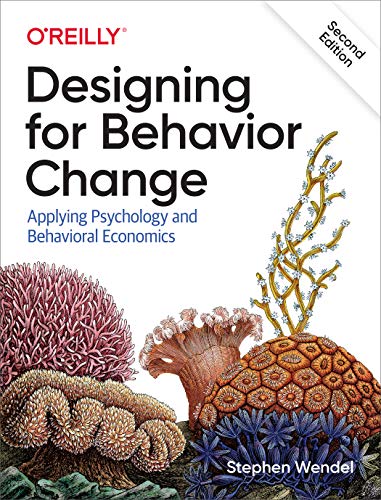
What's Designing for Behavior Change about?
Designing for Behavior Change by Stephen Wendel explores how to create products and services that influence positive behavior. Drawing on behavioral economics and psychology, Wendel provides practical strategies and examples to help designers and businesses understand and leverage human behavior to drive meaningful change.
Who should read Designing for Behavior Change?
- Designers and product managers looking to create products that drive behavior change
- Professionals in marketing, user experience, and psychology interested in understanding human behavior
- Entrepreneurs and innovators seeking to create solutions that address real-world challenges
What's Gödel, Escher, Bach about?
Gödel, Escher, Bach is a Pulitzer Prize-winning book by Douglas Hofstadter that explores the interconnectedness of mathematics, art, and music. Through an engaging blend of analogies, puzzles, and thought experiments, Hofstadter delves into the works of mathematician Kurt Gödel, artist M.C. Escher, and composer Johann Sebastian Bach to unravel the mysteries of human cognition and the nature of self-reference.
Who should read Gödel, Escher, Bach?
- Readers who are curious about the nature of human consciousness and creativity
- Individuals interested in exploring the intersection of art, music, mathematics, and technology
- People who enjoy thought-provoking, intellectually stimulating, and mind-expanding literature
What's The Why Axis about?
The Why Axis by John A. List and Uri Gneezy delves into the hidden motivations behind human behavior, particularly in the realm of economics. Through a series of fascinating experiments and real-world examples, the book challenges traditional economic theories and offers insightful explanations for why people make the choices they do. It ultimately uncovers the "why" behind our decisions and provides valuable implications for businesses, policymakers, and individuals.
Who should read The Why Axis?
- Researchers and academics interested in behavioral economics and social psychology
- Business professionals looking to understand consumer behavior and improve decision making
- Policy makers and government officials seeking evidence-based solutions to social and economic challenges
What's Judgment Under Uncertainty about?
Author: Daniel Kahneman, Amos Tversky
Description: This book explores the ways in which people make judgments and decisions under uncertainty. Drawing on extensive research in psychology and behavioral economics, the authors reveal the systematic errors and biases that can influence our thinking. They also propose strategies for improving decision-making in both personal and professional contexts.
Who should read Judgment Under Uncertainty?
- Anyone interested in understanding the limitations of human judgment
- Professionals in fields such as psychology, economics, and decision making
- People who want to improve their own decision-making processes
What's Irrational Exuberance about?
Irrational Exuberance by Robert J. Shiller examines the recurring patterns of speculative bubbles in financial markets. Drawing on historical examples and extensive research, Shiller demonstrates how irrational behavior and herd mentality drive asset prices to unsustainable levels, leading to inevitable crashes. He also offers insight into the psychological and economic factors that contribute to these bubbles, providing a fascinating analysis of market dynamics.
Who should read Irrational Exuberance?
- Investors who want to understand the psychology behind market bubbles and crashes
- Financial professionals seeking insights into market valuation and irrational exuberance
- Readers interested in the intersection of behavioral economics and finance
What's Identity Economics about?
Identity Economics by George A. Akerlof and Rachel E. Kranton explores how social identity and group affiliations influence economic behavior and decision-making. It challenges traditional economic theories by emphasizing the significance of personal identity and social norms in shaping choices related to consumption, labor, and other economic activities. A thought-provoking read for anyone interested in the intersection of psychology, sociology, and economics.
Who should read Identity Economics?
- Individuals curious about the intersection of psychology and economics
- Policy makers seeking insights into the role of identity in shaping economic behavior
- Professionals looking to understand how social norms influence consumer choices
What's The Power of Moments about?
The Power of Moments explores the idea that certain moments have the power to shape our lives and influence our behavior. Drawing on real-life examples and psychological research, the book offers insights into how we can create more meaningful and memorable experiences for ourselves and others. It provides practical tips and strategies for seizing opportunities to make a positive impact in both personal and professional settings.
Who should read The Power of Moments?
Individuals seeking to create memorable experiences in their personal and professional lives
Leaders and managers looking to inspire and motivate their teams
Entrepreneurs and business owners aiming to differentiate their brand through exceptional customer experiences
What's Judgment Under Uncertainty about?
Book Title: Judgment Under Uncertainty
Author: Daniel Kahneman
Description: This book explores the ways in which people make decisions and judgments in uncertain situations. Drawing on extensive research in psychology and behavioral economics, Kahneman reveals the cognitive biases and heuristics that can lead to errors in judgment. He offers insights into how we can better understand and improve our decision-making processes.Who should read Judgment Under Uncertainty?
Individuals who want to understand the psychological processes behind decision-making
Professionals in fields such as finance, law, or medicine who need to make accurate judgments under uncertainty
People interested in cognitive biases and how they impact everyday life
What's The Why Axis about?
The Why Axis by Uri Gneezy explores the hidden motivations behind human behavior, particularly in the context of economics and decision-making. Through a series of thought-provoking experiments and real-life examples, the book challenges conventional wisdom and offers new insights into what drives our choices. It delves into topics such as incentives, gender differences, and altruism, ultimately shedding light on the "why" behind our actions.
Who should read The Why Axis?
Readers who are curious about the underlying motives behind human behavior
Individuals looking to understand how incentives can drive decision-making
People interested in the intersection of economics and psychology



Related topics
Frequently asked questions about Behavioral Economics
What's the best Behavioral Economics book to read?
While choosing just one book about a topic is always tough, many people regard A Random Walk Down Wall Street as the ultimate read on Behavioral Economics.
What are the top 10 Behavioral Economics books?
Blinkist curators have picked the following:
- A Random Walk Down Wall Street by Burton G. Malkiel
- Misbehaving by Richard H. Thaler
- Designing for Behavior Change by Stephen Wendel
- Gödel, Escher, Bach by Douglas R. Hofstadter
- The Why Axis by John A. List, Uri Gneezy
- Judgment Under Uncertainty by Daniel Kahneman, Amos Tversky
- Irrational Exuberance by Robert J. Shiller
- Identity Economics by George A. Akerlof, Rachel E. Kranton
- Judgment Under Uncertainty by Daniel Kahneman
Who are the top Behavioral Economics book authors?
When it comes to Behavioral Economics, these are the authors who stand out as some of the most influential:
- Burton G. Malkiel
- Richard H. Thaler
- Stephen Wendel
- Douglas R. Hofstadter
- John A. List, Uri Gneezy