
Anesthesia Made Easy by Jeff Steiner is a comprehensive guide that simplifies the complex world of anesthesia. It provides clear explanations and practical tips for medical students, residents, and healthcare professionals. Covering topics such as drug actions, monitoring, and complications, this book is a valuable resource for anyone seeking to understand the principles and practices of anesthesia.
The best 7 Anesthesia books
What's Anesthesia Made Easy about?
Who should read Anesthesia Made Easy?
Medical students or residents looking for a concise introduction to anesthesia
Nurses or other healthcare professionals seeking to understand the basics of anesthesia
Individuals considering a career in anesthesiology and wanting to explore the field
What's Counting Backwards about?
Counting Backwards by Henry Jay Przybylo MD is a captivating memoir that takes you inside the world of anesthesiology. Through personal stories and medical insights, the author explores the history, science, and ethical considerations of anesthesia. It offers a unique perspective on a crucial aspect of modern medicine and will leave you with a newfound appreciation for the work of anesthesiologists.
Who should read Counting Backwards?
Readers who are curious about the science and art of anesthesia
Medical professionals seeking a deeper understanding of anesthesiology
Individuals facing surgery and wanting to demystify the anesthesia experience
What's Oxford Handbook of Anaesthesia about?
Oxford Handbook of Anaesthesia provides comprehensive and practical guidance on all aspects of anaesthesia. Written by experts in the field, it covers topics such as preoperative assessment, anaesthetic techniques, complications, and postoperative care. This essential resource is designed to help anaesthetists, trainees, and medical students deliver safe and effective anaesthesia.
Who should read Oxford Handbook of Anaesthesia?
Medical students and residents seeking a comprehensive guide to anaesthesia
Practicing anaesthetists looking for a reliable reference for everyday clinical practice
Nurses and other healthcare professionals working in anaesthesia or perioperative care
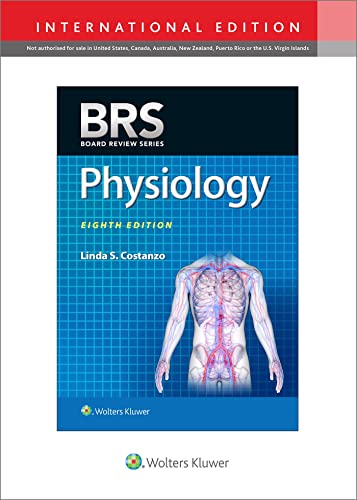
What's Physiology (Board Review Series) about?
Physiology (Board Review Series) by Linda S. Costanzo provides a comprehensive review of key concepts in physiology. It covers topics such as cell physiology, neurophysiology, cardiovascular physiology, respiratory physiology, renal physiology, gastrointestinal physiology, endocrine physiology, and reproductive physiology. With its clear explanations and numerous diagrams, this book is an essential resource for medical students preparing for exams.
Who should read Physiology (Board Review Series)?
Medical students and professionals studying for board exams
Healthcare professionals seeking a comprehensive review of physiology
Individuals interested in a detailed understanding of the human body and its functions
What's Short Answer Questions in Anaesthesia about?
Short Answer Questions in Anaesthesia by Simon Bricker is a comprehensive guide designed to help anaesthesia trainees prepare for their exams. It covers a wide range of topics in anaesthesia and critical care, presenting a series of short answer questions with detailed explanations. This book is a valuable resource for anyone seeking to test and improve their knowledge in the field of anaesthesia.
Who should read Short Answer Questions in Anaesthesia?
Medical students preparing for anesthesia exams
Anesthesia residents studying for board certification
Practicing anesthesiologists looking to refresh their knowledge
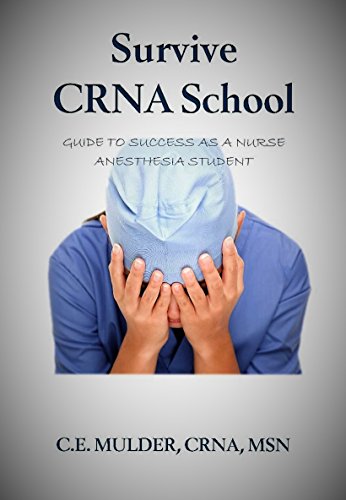
What's Survive CRNA School about?
Survive CRNA School by Chris Mulder is a comprehensive guide for nursing students pursuing a career in nurse anesthesia. Drawing from personal experience and interviews with CRNA students and graduates, the book offers practical tips, study strategies, and advice on managing the challenges of CRNA school. From time management to clinical rotations, this book equips readers with the knowledge and resources to succeed in their journey towards becoming a certified registered nurse anesthetist.
Who should read Survive CRNA School?
Current or prospective nurse anesthesia students
Nurses considering a career in anesthesia
Healthcare professionals seeking insights into the challenges and rewards of CRNA school
What's Tarascon Primary Care Pocketbook about?
Tarascon Primary Care Pocketbook by Joseph S. Esherick is a comprehensive guide designed to assist primary care physicians in their daily practice. It provides quick access to essential information on common medical conditions, diagnostic tests, and treatment guidelines. With its user-friendly format and evidence-based content, this book is a valuable resource for healthcare professionals working in primary care settings.
Who should read Tarascon Primary Care Pocketbook?
Primary care physicians who need a quick reference guide for common medical conditions
Medical students and residents looking for a concise yet comprehensive resource for primary care
Nurse practitioners and physician assistants practicing in a primary care setting




Related topics
Frequently asked questions about Anesthesia
What's the best Anesthesia book to read?
While choosing just one book about a topic is always tough, many people regard Anesthesia Made Easy as the ultimate read on Anesthesia.
What are the top 10 Anesthesia books?
Blinkist curators have picked the following:
- Anesthesia Made Easy by Jeff Steiner
- Counting Backwards by Henry Jay Przybylo MD
- Oxford Handbook of Anaesthesia by Keith Allman
- Physiology (Board Review Series) by Linda S. Costanzo
- Short Answer Questions in Anaesthesia by Simon Bricker
- Survive CRNA School by Chris Mulder
- Tarascon Primary Care Pocketbook by Joseph S. Esherick
Who are the top Anesthesia book authors?
When it comes to Anesthesia, these are the authors who stand out as some of the most influential:
- Jeff Steiner
- Henry Jay Przybylo MD
- Keith Allman
- Linda S. Costanzo
- Simon Bricker