
Banana by Dan Koeppel is a fascinating exploration of the history, science, and future of the world's most popular fruit. From its origins in Southeast Asia to its global spread, Koeppel delves into the complex world of banana production and the challenges it faces. With a mix of investigative journalism and engaging storytelling, this book will change the way you think about bananas.
The best 39 Agriculture books
What's Banana about?
Who should read Banana?
Readers who enjoy non-fiction books that explore the history and cultural impact of everyday items
Those interested in environmental and agricultural issues, particularly related to the banana industry
People who appreciate well-researched and engaging narratives that blend science, economics, and human stories
What's Farmers of Forty Centuries about?
Farmers of Forty Centuries by F. H. King is a thought-provoking exploration of sustainable farming practices in China, Korea, and Japan. Published in 1911, the book delves into the ancient agricultural methods employed in these regions, highlighting the efficient use of resources and the long-term preservation of soil fertility. King's observations offer valuable insights for modern-day farmers and environmentalists.
Who should read Farmers of Forty Centuries?
Individuals interested in sustainable agriculture and traditional farming practices
Farmers and gardeners looking for alternative methods to improve soil fertility and crop yields
Environmentalists and conservationists seeking to learn from historical examples of harmonious coexistence with nature
What's Growing a Revolution about?
Growing a Revolution by David R. Montgomery explores the dire state of our planet's soil and offers a solution for sustainable agriculture. Through engaging storytelling and scientific evidence, Montgomery reveals how regenerative farming practices can restore soil health, increase crop yields, and combat climate change. This thought-provoking book challenges the status quo and inspires readers to join the movement towards a more environmentally friendly food system.
Who should read Growing a Revolution?
Individuals interested in sustainable agriculture and regenerative farming
Farmers looking to improve soil health and productivity
Environmentalists and conservationists concerned about the impact of conventional agriculture on the planet
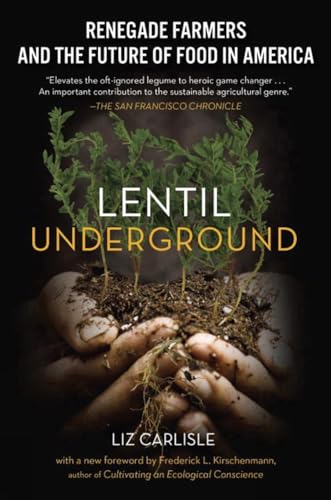
What's Lentil Underground about?
Lentil Underground by Liz Carlisle tells the inspiring story of a group of farmers in Montana who defied the industrial agricultural system to grow organic lentils. Through their struggles and triumphs, the book explores the potential for sustainable farming practices to transform our food system.
Who should read Lentil Underground?
Individuals interested in sustainable agriculture and food systems
Entrepreneurs looking for inspiration from a successful grassroots movement
Farmers and agricultural professionals seeking innovative and environmentally friendly farming practices
What's Stolen Harvest about?
Stolen Harvest by Vandana Shiva delves into the global issues surrounding agriculture, food production, and the impact of corporate control. Shiva exposes how large corporations are exploiting farmers and depleting the earth's natural resources for profit, leading to environmental degradation and food insecurity. This thought-provoking book calls for a return to sustainable and equitable farming practices to ensure a secure future for our food supply.
Who should read Stolen Harvest?
Individuals concerned about the impact of industrial agriculture on the environment and small-scale farmers
Activists and advocates for food sovereignty and seed freedom
People interested in learning about the social and economic consequences of corporate control over the global food system
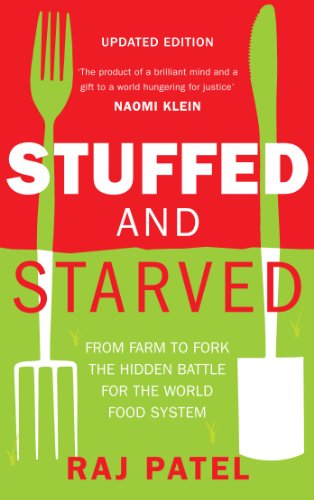
What's Stuffed and Starved about?
Stuffed and Starved by Raj Patel delves into the paradox of a world where millions are both hungry and obese. Through extensive research and compelling storytelling, Patel uncovers the hidden truths behind the global food industry and its impact on our health, environment, and social justice. This eye-opening book challenges us to rethink our relationship with food and advocates for a more equitable and sustainable food system.
Who should read Stuffed and Starved?
Individuals interested in understanding the complexities of the global food system
Consumers who want to make informed choices about the food they eat
Activists and advocates working towards food justice and sustainability
What's The Beekeeper's Lament about?
The Beekeeper's Lament by Hannah Nordhaus delves into the fascinating world of commercial beekeeping in the United States. Through the stories of various beekeepers, the book explores the challenges they face, the decline of honeybee populations, and the impact on our food supply. It offers a thought-provoking look at the intricate relationship between humans and bees.
Who should read The Beekeeper's Lament?
Anyone interested in the fascinating world of bees and beekeeping
Environmentalists and advocates for sustainable agriculture
Readers who enjoy narrative non-fiction that combines personal stories with in-depth research
What's The End of Food about?
The End of Food by Paul Roberts explores the challenges and consequences of our global food system. Roberts delves into the complex web of factors – from agricultural practices and food processing to distribution and consumption patterns – that are contributing to the depletion of natural resources and the decline in food quality. He also offers thought-provoking insights into how we can address these issues and create a more sustainable food future.
Who should read The End of Food?
Individuals interested in the global food system and its potential challenges
Consumers who want to make informed choices about their food purchases
Policy makers and industry professionals looking to understand the complexities of the food economy
What's The Good Earth about?
The Good Earth is a classic novel by Pearl S. Buck that tells the story of a Chinese peasant farmer named Wang Lung. Set against the backdrop of a changing China, the book explores themes of family, tradition, and the connection between humans and the land. It offers a rich portrayal of rural life and provides insight into the challenges and triumphs experienced by its characters.
Who should read The Good Earth?
Readers who enjoy historical fiction set in China
Those interested in exploring themes of family, tradition, and societal change
People who appreciate richly detailed and vividly depicted landscapes and cultures
What's This Blessed Earth about?
This Blessed Earth by Ted Genoways is a poignant and eye-opening account of the challenges facing modern American farmers. Through the story of a Nebraska farm family, Genoways explores the impact of industrial agriculture, climate change, and economic pressures on the land and those who depend on it. It offers a deep dive into the complexities of our food system and the resilience of those who work the land.
Who should read This Blessed Earth?
Individuals interested in the challenges and opportunities of modern agriculture
Farmers and ranchers looking to understand the broader context of their industry
Readers who want to explore the intersection of environmental sustainability and food production
What's Against the Grain about?
Against the Grain by James C. Scott challenges the conventional narrative of early human history. It delves into the origins of agriculture and the rise of early states, arguing that the transition from hunter-gatherer societies to settled farming was not as beneficial as commonly believed. Scott presents a thought-provoking analysis of how these developments shaped human societies and raises important questions about the costs of civilization.
Who should read Against the Grain?
- Readers interested in challenging conventional views of human history and civilization
- Those curious about the impact of agriculture and state formation on human society
- People who enjoy thought-provoking and contrarian perspectives on cultural development
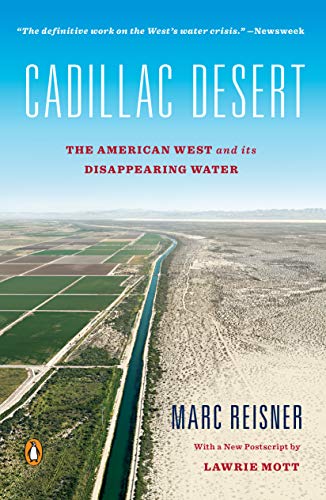
What's Cadillac Desert about?
Cadillac Desert is a thought-provoking book by Marc Reisner that delves into the complex history of water management in the American West. Through extensive research and captivating storytelling, the author uncovers the political, environmental, and social consequences of water development projects, revealing the unsustainable practices that have shaped the region. A must-read for anyone interested in the intersection of water, power, and the environment.
Who should read Cadillac Desert?
- Environmentalists or individuals concerned about water conservation
- Policy makers and government officials involved in water resource management
- Anyone interested in the history of water development and infrastructure in the American West
What's Dirt to Soil about?
Dirt to Soil by Gabe Brown is a groundbreaking book that challenges traditional farming practices and offers a fresh perspective on regenerative agriculture. Through his own experiences and experiments, Brown demonstrates how restoring the health of the soil can lead to increased productivity, resilience, and sustainability. This book is a must-read for anyone interested in the future of farming and the environment.
Who should read Dirt to Soil?
Individuals interested in regenerative agriculture and sustainable farming practices
Farmers and ranchers looking to improve soil health and increase profitability
Gardeners and homeowners seeking to enhance their understanding of soil biology and ecosystem management
What's Farm Anatomy about?
Farm Anatomy by Julia Rothman is a beautifully illustrated book that delves into the intricate workings of a farm. From the different types of crops and animals to the tools and machinery used, this book provides a comprehensive and visually stunning exploration of life on a farm. Whether you're a seasoned farmer or simply curious about where your food comes from, Farm Anatomy offers a fascinating insight into the world of agriculture.
Who should read Farm Anatomy?
Anyone interested in learning about the inner workings of farms and rural life
People who enjoy charming and whimsical illustrations
Those who want to deepen their appreciation for where their food comes from
What's Farm City about?
Farm City by Novella Carpenter is a captivating memoir that takes you on a journey to an unconventional urban farm in Oakland, California. Carpenter shares her experiences of transforming an abandoned lot into a thriving garden and raising a variety of animals, all while navigating the challenges and rewards of sustainable living in the city. It's a delightful and thought-provoking read that will inspire you to rethink our relationship with food and the environment.
Who should read Farm City?
Individuals interested in urban farming and sustainable living
Readers who enjoy personal memoirs with a unique and humorous perspective
Those looking for inspiration to start their own small-scale farming or gardening projects
What's Folks, This Ain't Normal about?
Folks, This Ain't Normal (2011) by Joel Salatin challenges our conventional ideas of food, farming, and the environment. Through insightful observations and personal experiences, Salatin exposes the shortcomings of industrial agriculture and offers alternative solutions for a more sustainable and healthier way of life.
Who should read Folks, This Ain't Normal?
- Health-conscious individuals seeking to understand the drawbacks of modern food production
- Environmental advocates looking for ways to live a more sustainable lifestyle
- Readers interested in alternative farming methods and local food movements
What's Gardening When It Counts about?
Gardening When It Counts by Steve Solomon provides practical advice on how to grow your own food in a sustainable and self-sufficient manner. Focusing on organic gardening techniques and the importance of soil health, the book offers valuable insights for both novice and experienced gardeners. It emphasizes the idea of "gardening when it counts" by prioritizing essential crops and maximizing limited resources.
Who should read Gardening When It Counts?
Individuals who want to grow their own food in a sustainable and self-sufficient manner
Gardeners looking for practical and cost-effective gardening techniques
People interested in organic and natural gardening methods
What's Hannah Coulter about?
Hannah Coulter by Wendell Berry is a poignant novel that follows the life of its titular character as she reflects on love, loss, and the passage of time. Set in a small farming community in Kentucky, the book beautifully captures the rhythms of rural life and the resilience of the human spirit. Through Hannah's introspective narration, the story offers profound insights into the meaning of family, community, and the connections that bind us together.
Who should read Hannah Coulter?
Readers who enjoy character-driven stories with a strong sense of place
Those interested in exploring themes of family, community, and the passage of time
Individuals who appreciate lyrical and reflective writing that offers insights into human nature
What's How to Grow More Vegetables about?
How to Grow More Vegetables by John Jeavons provides a comprehensive guide to sustainable and high-yield gardening. With detailed instructions and practical tips, the book teaches readers how to maximize their garden space, improve soil fertility, and grow a wide variety of vegetables using organic methods. Whether you're a beginner or experienced gardener, this book offers valuable insights for growing an abundant and healthy harvest.
Who should read How to Grow More Vegetables?
People who want to grow their own organic vegetables
Home gardeners looking to increase their crop yields
Individuals interested in sustainable and efficient gardening practices
What's Introduction to Permaculture about?
Introduction to Permaculture is a groundbreaking book by Bill Mollison that introduces the concept of permaculture, a sustainable design system that integrates human activity with natural ecosystems. In this book, Mollison offers a comprehensive guide to the principles and practices of permaculture, providing valuable insights and practical advice for creating resilient and productive landscapes.
Who should read Introduction to Permaculture?
- Individuals interested in sustainable and regenerative agricultural practices
- Gardeners looking to create low-maintenance, productive ecosystems
- Environmentalists seeking to live in harmony with nature and minimize their ecological footprint
What's Mini Farming about?
Mini Farming by Brett L. Markham is a comprehensive guide to small-scale farming. It offers practical advice on how to maximize your yield in a limited space by using sustainable and organic methods. From choosing the right crops to soil preparation and pest control, this book provides valuable information for anyone interested in growing their own food.
Who should read Mini Farming?
Individuals interested in self-sufficiency and sustainable living
People who want to grow their own organic food
Beginner and experienced gardeners looking to maximize their small space
What's Organic Mushroom Farming and Mycoremediation about?
Organic Mushroom Farming and Mycoremediation by Tradd Cotter is an insightful guide that delves into the world of mushroom cultivation and its potential for environmental restoration. From practical techniques to fascinating scientific discoveries, this book offers a comprehensive look at the benefits of incorporating mushrooms into sustainable farming and waste management practices.
Who should read Organic Mushroom Farming and Mycoremediation?
- People interested in sustainable agriculture and farming
- Home gardeners looking to add mushroom cultivation to their repertoire
- Environmentalists and conservationists seeking natural solutions for soil remediation
What's Restoration Agriculture about?
Restoration Agriculture by Mark Shepard is a groundbreaking book that challenges traditional agricultural practices and offers a sustainable alternative. Shepard introduces the concept of “regenerative agriculture,” which aims to mimic the structure and function of natural ecosystems. Through real-life examples and practical advice, the book demonstrates how this approach can not only restore degraded land and increase biodiversity but also provide abundant and nutritious food for future generations.
Who should read Restoration Agriculture?
- Individuals interested in sustainable agriculture and permaculture
- Farmers and landowners looking to restore and regenerate their land
- Environmentalists and conservationists seeking holistic approaches to land management
What's Sepp Holzer's Permaculture about?
Sepp Holzer's Permaculture is a groundbreaking book that introduces readers to the concept of permaculture and its practical applications. Written by Sepp Holzer, an Austrian farmer and permaculture pioneer, the book offers valuable insights and techniques for creating sustainable and self-sufficient ecosystems. Through engaging stories and firsthand experiences, Holzer demonstrates how permaculture can be used to restore degraded landscapes, increase biodiversity, and produce abundant food crops. A must-read for anyone interested in sustainable agriculture and environmental stewardship.
Who should read Sepp Holzer's Permaculture?
Anyone interested in sustainable agriculture and permaculture
People looking to reduce their environmental impact and live in harmony with nature
Gardeners and farmers seeking innovative and efficient methods for growing food
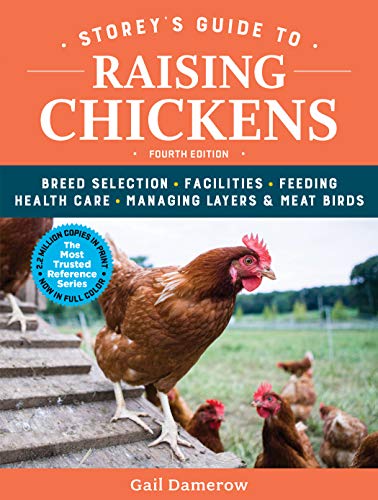
What's Storey's Guide to Raising Chickens about?
Storey's Guide to Raising Chickens by Gail Damerow is a comprehensive resource for anyone looking to raise chickens. It covers everything from choosing the right breed and setting up a coop to feeding, breeding, and health care. With practical tips and expert advice, this book is a must-read for both beginners and experienced chicken keepers.
Who should read Storey's Guide to Raising Chickens?
Aspiring chicken farmers who want to learn the ins and outs of raising their own flock
Experienced poultry enthusiasts looking to expand their knowledge and improve their chicken care practices
Individuals interested in sustainable living and self-sufficiency through backyard chicken keeping
What's Teaming with Microbes about?
Teaming with Microbes explores the fascinating world of soil and the intricate relationships between plants, microbes, and other organisms. It offers valuable insights into how we can work with nature to create healthy and thriving gardens, using organic and sustainable practices. Whether you're a seasoned gardener or just starting out, this book provides a wealth of knowledge that will change the way you think about the living soil beneath your feet.
Who should read Teaming with Microbes?
Enthusiastic gardeners who want to understand the science behind healthy soil and plant growth
Environmentalists looking to reduce their reliance on chemical fertilizers and pesticides
Homeowners interested in creating a more sustainable and biodiverse garden
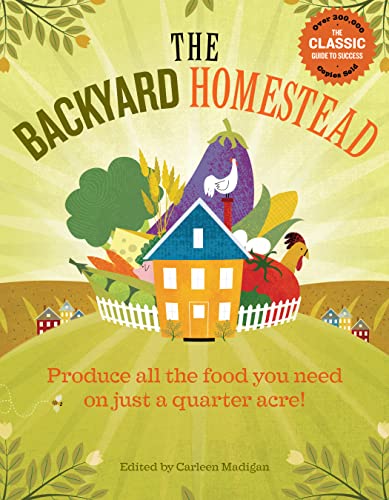
What's The Backyard Homestead about?
The Backyard Homestead by Carleen Madigan is a comprehensive guide to self-sufficient living. It provides practical advice and step-by-step instructions on how to grow your own food, raise animals, and create a sustainable homestead right in your backyard. Whether you have a small plot of land or just a few pots on a balcony, this book offers valuable tips and techniques for living a more self-reliant lifestyle.
Who should read The Backyard Homestead?
Individuals interested in sustainable living and self-sufficiency
Homeowners with a backyard or small plot of land
People who want to grow their own food, raise animals, and preserve their harvest
What's The Contrary Farmer about?
The Contrary Farmer by Gene Logsdon challenges conventional agricultural practices and offers a refreshing perspective on sustainable farming. With wit and wisdom, Logsdon shares his experiences and insights, advocating for a more natural and harmonious approach to working the land. Whether you're a seasoned farmer or simply curious about where your food comes from, this book is sure to inspire and inform.
Who should read The Contrary Farmer?
Individuals interested in sustainable and organic farming practices
Aspiring farmers looking for alternative approaches to traditional agriculture
Readers who enjoy personal anecdotes and practical advice from experienced farmers
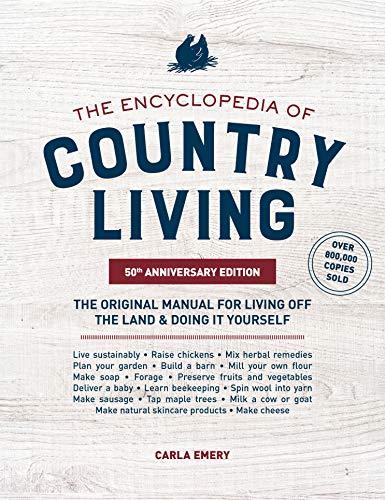
What's The Encyclopedia of Country Living about?
The Encyclopedia of Country Living by Carla Emery is a comprehensive guide to living a self-sufficient lifestyle. Covering topics such as gardening, raising animals, food preservation, and natural remedies, this book provides valuable information for anyone interested in homesteading or living off the grid. With practical advice and engaging anecdotes, it serves as an essential resource for those seeking a simpler, more sustainable way of life.
Who should read The Encyclopedia of Country Living?
- Individuals interested in self-sufficient and sustainable living
- Aspiring homesteaders and small-scale farmers
- People looking to reconnect with nature and traditional skills
What's The Lean Farm about?
The Lean Farm by Ben Hartman offers practical strategies for reducing waste, increasing efficiency, and maximizing productivity on a small-scale farm. Drawing from his own experience, Hartman provides valuable insights and actionable tips that can help farmers streamline their operations and achieve better results with less effort. Whether you are a seasoned farmer or just starting out, this book is a must-read for anyone looking to optimize their farming practices.
Who should read The Lean Farm?
Small-scale farmers looking to increase efficiency and profitability
Aspiring farmers seeking practical advice on starting and managing a farm
Individuals interested in sustainable and environmentally friendly agricultural practices
What's The Resilient Farm and Homestead about?
The Resilient Farm and Homestead by Ben Falk is a comprehensive guide to creating a self-sufficient and resilient homestead. Filled with practical advice and real-life examples, the book covers everything from permaculture and food production to energy systems and water management. Whether you're a beginner or an experienced homesteader, this book will inspire and empower you to build a more sustainable way of life.
Who should read The Resilient Farm and Homestead?
Anyone interested in sustainable and regenerative agriculture
Homesteaders looking to increase their self-sufficiency and resilience
Permaculture enthusiasts seeking practical guidance for designing and managing a resilient farm or homestead
What's The Self-Sufficient Life and How to Live It about?
The Self-Sufficient Life and How to Live It by John Seymour is a comprehensive guide to living off the land and becoming more self-reliant. Covering everything from growing your own food to raising animals, making your own clothes, and generating your own energy, this book provides practical advice and inspiration for those seeking a simpler and more sustainable lifestyle.
Who should read The Self-Sufficient Life and How to Live It?
Individuals seeking to live a more sustainable and self-reliant lifestyle
People interested in learning traditional skills such as gardening, animal husbandry, and food preservation
Those who want to reduce their ecological footprint and become more connected to the natural world
What's The Sheer Ecstasy of Being a Lunatic Farmer about?
The Sheer Ecstasy of Being a Lunatic Farmer by Joel Salatin is a thought-provoking book that challenges the conventional wisdom around farming and food production. Through personal anecdotes and insightful analysis, Salatin advocates for a more sustainable and holistic approach to agriculture. He explores topics such as the importance of soil health, the impact of industrial farming, and the potential of regenerative farming practices. This book will inspire you to think differently about where your food comes from and the role you can play in shaping the future of farming.
Who should read The Sheer Ecstasy of Being a Lunatic Farmer?
Individuals interested in sustainable and regenerative agriculture
Aspiring farmers looking for alternative farming methods
People who want to understand the importance of local food systems
What's The Soil Will Save Us about?
The Soil Will Save Us by Kristin Ohlson explores the untapped potential of soil to combat climate change. Through engaging storytelling and scientific research, Ohlson reveals how regenerative farming and land management practices can sequester carbon from the atmosphere and restore the health of our planet. This thought-provoking book offers a hopeful message and practical solutions for a sustainable future.
Who should read The Soil Will Save Us?
Environmentalists and climate change activists looking for solutions to carbon sequestration
Farmers and agricultural professionals interested in regenerative farming practices
Individuals curious about the interconnectedness of soil health and planetary well-being
What's The Unsettling of America about?
The Unsettling of America by Wendell Berry is a thought-provoking book that examines the social, economic, and environmental impacts of modern agriculture. Berry argues that the industrialization of farming has led to a disconnect between people and the land, resulting in widespread ecological destruction and loss of community. He advocates for a return to small-scale, sustainable farming practices in order to create a healthier and more harmonious relationship with the natural world.
Who should read The Unsettling of America?
- People who are interested in sustainable agriculture and food systems
- Those who want to understand the environmental and social impact of modern farming practices
- Readers who enjoy thought-provoking essays that challenge conventional wisdom
What's The Vegetarian Myth about?
The Vegetarian Myth by Lierre Keith challenges the belief that a vegetarian diet is the most ethical and sustainable choice. Drawing on her own experiences and extensive research, Keith argues that agriculture, including the production of plant-based foods, is inherently destructive to the environment. She presents a thought-provoking critique of the vegetarian movement and offers alternative solutions to our food system.
Who should read The Vegetarian Myth?
- Individuals questioning the ethics and sustainability of a plant-based diet
- Those interested in understanding the environmental impact of agriculture
- People looking to challenge their beliefs about food and nutrition
What's The Urban Homestead about?
The Urban Homestead by Kelly Coyne and Erik Knutzen is a practical guide to self-sufficient city living. It offers tips and techniques for growing your own food, raising chickens, and creating a more sustainable urban lifestyle. Whether you have a small backyard or just a few pots on a balcony, this book provides valuable information for anyone interested in urban homesteading.
Who should read The Urban Homestead?
Individuals interested in sustainable living and self-sufficiency
City dwellers looking to grow their own food and reduce their environmental impact
People who want to learn practical skills for urban homesteading, such as gardening, composting, and food preservation
What's Tomatoland about?
Tomatoland by Barry Estabrook explores the dark side of the tomato industry, revealing the shocking truth behind the perfect-looking tomatoes we see in supermarkets. From the use of harmful chemicals to the exploitation of labor, this eye-opening book delves into the environmental and social issues surrounding tomato production and offers a compelling call for change.
Who should read Tomatoland?
Individuals interested in the food industry and food production
Consumers who want to make informed choices about the food they eat
People who care about sustainability and the impact of agriculture on the environment
What's You Can Farm about?
You Can Farm by Joel Salatin is a comprehensive guide for anyone who dreams of starting their own farm. Salatin shares his wealth of experience and knowledge, offering practical advice on everything from choosing the right land and livestock, to marketing and managing a successful farm business. Whether you're a seasoned farmer or a complete beginner, this book will inspire and empower you to pursue your passion for farming.
Who should read You Can Farm?
Aspiring farmers who want to learn about sustainable and profitable agricultural practices
Experienced farmers looking to expand their knowledge and improve their farm management skills
Individuals interested in the connection between food production, environmental stewardship, and ethical animal husbandry











Related topics
Frequently asked questions about Agriculture
What's the best Agriculture book to read?
While choosing just one book about a topic is always tough, many people regard Banana as the ultimate read on Agriculture.
What are the top 10 Agriculture books?
Blinkist curators have picked the following:
- Banana by Dan Koeppel
- Farmers of Forty Centuries by F. H. King
- Growing a Revolution by David R. Montgomery
- Lentil Underground by Liz Carlisle
- Stolen Harvest by Vandana Shiva
- Stuffed and Starved by Raj Patel
- The Beekeeper's Lament by Hannah Nordhaus
- The End of Food by Paul Roberts
- The Good Earth by Pearl S. Buck
- This Blessed Earth by Ted Genoways
Who are the top Agriculture book authors?
When it comes to Agriculture, these are the authors who stand out as some of the most influential:
- Dan Koeppel
- F. H. King
- David R. Montgomery
- Liz Carlisle
- Vandana Shiva