If you've ever gazed up at the sky and marveled at the wonder of flight, then aerospace engineering might be just the topic for you. In this book list, we've compiled a collection of titles that will take you through the fascinating world of aerospace engineering.
From the principles of aerodynamics to the design and construction of aircraft, these books offer an in-depth exploration of this captivating field. Whether you're a student, an aspiring engineer, or simply curious about how planes stay in the air, this collection has something for everyone.
The best 35 Aerospace Engineering books
What's Aircraft Structures about?
Aircraft Structures by David J. Peery is a comprehensive book that delves into the analysis and design of aircraft structures. Focusing on the fundamental principles and mathematical calculations, this book covers topics such as stress analysis, load distribution, and structural stability. It provides a valuable resource for aerospace engineers and students looking to gain a deeper understanding of aircraft structures.
Who should read Aircraft Structures?
- Students or professionals studying or working in aerospace engineering
- Those with a passion for aviation and a desire to understand the structural design of aircraft
- Individuals seeking a comprehensive and authoritative resource on aircraft structures
What's The Navy’s Air War about?
The Navy’s Air War by Albert R. Buchanan delves into the often overlooked role of the U.S. Navy in the air war during World War II. Through detailed analysis and firsthand accounts, the book explores how the Navy's air power was instrumental in shaping the outcome of the war in the Pacific, ultimately leading to Japan's surrender. It sheds light on the challenges faced, the strategies employed, and the incredible bravery of the men who fought in this crucial theater of war.
Who should read The Navy’s Air War?
- History enthusiasts interested in World War II naval aviation
- Current or former military members seeking insights into air combat strategy
- Avid readers looking for a well-researched and comprehensive account of a lesser-known aspect of the war
What's Pale Blue Dot about?
Pale Blue Dot (1994) by Carl Sagan is a thought-provoking exploration of our place in the universe. Through a blend of science, philosophy, and personal reflection, Sagan discusses the significance of Earth as a "pale blue dot" in the vastness of space. He challenges readers to consider the fragility of our planet and the implications for our future.
Who should read Pale Blue Dot?
- Science enthusiasts curious about our place in the universe
- Those interested in tackling big questions about life, existence, and the cosmos
- Readers who enjoy thought-provoking and intellectually stimulating non-fiction
What's Moon Shot about?
Moon Shot (1994) is a captivating firsthand account of the early days of space exploration. Written by astronaut Alan Shepard and journalist Deke Slayton, the book tells the story of the Apollo missions with humor, suspense, and a sense of adventure. From the challenges they faced to the historic moon landing, it offers a fascinating glimpse into a groundbreaking period in history.
Who should read Moon Shot?
- Aspiring astronauts and space enthusiasts
- Readers interested in the history of the space race and NASA's Apollo program
- Those curious about the personal experiences and challenges faced by astronauts
What's Skunk Works about?
Skunk Works is a fascinating account of the secret aerospace development program of the same name. Written by Ben R. Rich, the book takes readers inside the world of cutting-edge technology and innovation, revealing the incredible stories behind some of the most advanced aircraft ever built. It offers a unique glimpse into the world of military aviation and the people who pushed the boundaries of what was possible.
Who should read Skunk Works?
- Enthusiastic about aviation and aerospace technology
- Curious about the history and development of cutting-edge military aircraft
- Interested in behind-the-scenes stories of secretive and innovative engineering projects
What's Introduction to Structural Dynamics and Aeroelasticity about?
Introduction to Structural Dynamics and Aeroelasticity by Dewey H. Hodges provides a comprehensive introduction to the fundamental principles and concepts of structural dynamics and aeroelasticity. It covers topics such as vibration analysis, dynamic response of structures, flutter, and dynamic aeroelastic phenomena in aircraft. With clear explanations and practical examples, this book is essential for students and professionals in aerospace engineering.
Who should read Introduction to Structural Dynamics and Aeroelasticity?
Engineers, researchers, and students in the field of aerospace engineeringProfessionals seeking a comprehensive understanding of structural dynamics and aeroelasticityIndividuals interested in the mechanics and behavior of flexible aircraft structuresWhat's Packing for Mars about?
Packing for Mars by Mary Roach delves into the fascinating world of space travel, exploring the physical and psychological challenges that astronauts face. Filled with humor, in-depth research, and firsthand accounts, the book provides a unique insight into the complexities of preparing for a journey to Mars and the extraordinary lengths scientists go to in order to ensure the safety and success of such missions.
Who should read Packing for Mars?
- Enthusiastic amateur astronomers
- Curious individuals interested in space exploration
- Science enthusiasts looking for entertaining and informative reads
What's The Sky Below about?
'The Sky Below' by Susy Flory and Scott Parazynski is a captivating memoir that takes you on a thrilling journey from the depths of the ocean to the heights of outer space. Parazynski, a NASA astronaut and accomplished mountaineer, shares his incredible experiences and the profound lessons he has learned along the way. It is a story of determination, courage, and the unbreakable human spirit.
Who should read The Sky Below?
- Individuals with a passion for space exploration and adventure
- Readers who enjoy captivating memoirs and personal stories
- People interested in the intersection of science, technology, and human experience
What's The Last Man on the Moon about?
The Last Man on the Moon is a captivating memoir by astronaut Eugene Cernan. It offers a firsthand account of his incredible journey to the moon and back, detailing the challenges, triumphs, and profound reflections along the way. Cernan's storytelling brings to life the awe-inspiring experience of being the last human to set foot on the lunar surface.
Who should read The Last Man on the Moon?
- Space enthusiasts who want an inside look at the Apollo missions
- Readers interested in the personal and professional challenges of being an astronaut
- Those curious about human experiences and emotions in the context of space exploration
What's Rocket Boys about?
Rocket Boys is a memoir by Homer Hickam that chronicles his teenage years in a small West Virginia town. Inspired by the launch of the Soviet satellite Sputnik, Hickam and his friends begin building and testing their own rockets. Set against the backdrop of the space race, the book is a heartfelt and inspiring story of friendship, determination, and the power of chasing your dreams.
Who should read Rocket Boys?
- Readers who enjoy inspiring stories of overcoming obstacles and pursuing dreams
- Individuals with an interest in space exploration and the history of NASA
- Those who appreciate memoirs with a personal and heartfelt narrative
What's Stick and Rudder about?
Stick and Rudder is a classic aviation book written by Wolfgang Langewiesche. First published in 1944, it delves into the fundamental principles of flying an aircraft. Langewiesche uses clear explanations and insightful analogies to help both novice and experienced pilots understand the art of flying. It remains a must-read for anyone interested in aviation.
Who should read Stick and Rudder?
- Individuals interested in learning the principles and techniques of flying
- Student pilots looking to enhance their understanding of aviation
- Experienced pilots seeking to improve their airmanship and flying skills
What's Introduction to Space Dynamics about?
Introduction to Space Dynamics by William Tyrrell Thomson provides a comprehensive overview of the principles and concepts governing the motion of objects in space. From the basics of Newtonian mechanics to the complexities of orbital dynamics, this book offers a solid foundation for anyone interested in understanding the dynamics of space travel and satellite motion.
Who should read Introduction to Space Dynamics?
- Undergraduate or graduate students studying aerospace engineering
- Space enthusiasts and individuals with a passion for space exploration
- Engineers or professionals in the space industry looking to deepen their understanding of space dynamics
What's How We'll Live on Mars about?
How We'll Live on Mars by Stephen Petranek explores the possibility of human colonization on the red planet. It delves into the scientific advancements and technological innovations that could make this dream a reality, while also addressing the challenges and ethical considerations associated with such a monumental endeavor.
Who should read How We'll Live on Mars?
- Readers who are curious about the potential for human colonization of Mars
- Science enthusiasts interested in space exploration and future technologies
- Individuals who enjoy thought-provoking discussions about the possibilities of living on other planets
What's Carrying the Fire about?
Carrying the Fire is a captivating memoir by Michael Collins, the astronaut who piloted the command module for Apollo 11. Offering a unique perspective on the historic moon landing, Collins recounts his incredible journey through space and provides a profound reflection on the triumphs and challenges of the Apollo program. This book is a compelling tribute to the pioneering spirit of space exploration.
Who should read Carrying the Fire?
- Key individuals interested in the behind-the-scenes experiences of the Apollo 11 mission
- Readers who enjoy autobiographical accounts of extraordinary journeys
- Those seeking insights into the challenges and triumphs of space exploration
What's Aircraft Propulsion about?
Aircraft Propulsion by Saeed Farokhi provides a comprehensive introduction to the principles and practices of aircraft propulsion. It covers topics such as thermodynamics, gas turbine engines, propellers, and jet engine performance, making it an essential read for students and professionals in the field of aerospace engineering.
Who should read Aircraft Propulsion?
- Students and professionals in aerospace engineering and aviation
- Engineers and researchers working in aircraft propulsion
- Anyone interested in understanding the principles and technologies behind aircraft engines
What's The New World Champion Paper Airplane Book about?
The New World Champion Paper Airplane Book by John M. Collins is a fascinating guide to creating and mastering the art of paper airplane making. Filled with detailed instructions and expert tips, this book will help you design and fold paper airplanes that can soar to incredible heights and distances. It's a must-read for anyone who loves the simple joy of launching a paper plane into the sky.
Who should read The New World Champion Paper Airplane Book?
- Readers who enjoy hands-on activities and crafting
- People looking for a fun and educational way to spend their leisure time
- Enthusiasts of aeronautics and flight who want to learn more about the science behind paper airplanes
What's Space Mathematics about?
Space Mathematics by Bernice Kastner is a comprehensive guide that explores the mathematical concepts and principles essential for understanding space exploration. From orbital mechanics to the physics of celestial bodies, this book provides clear explanations and practical examples to help readers grasp the fundamental mathematics behind space travel and research.
Who should read Space Mathematics?
- High school students with an interest in space exploration
- Mathematics teachers looking for engaging problems to supplement their curriculum
- Space enthusiasts who want to understand the mathematical concepts behind space missions
What's Introduction to Aerospace Structural Analysis about?
Introduction to Aerospace Structural Analysis provides a comprehensive overview of the principles and techniques used in the analysis and design of aerospace structures. Written by David H. Allen, this book covers topics such as stress and strain analysis, structural stability, and finite element methods, making it an essential resource for students and professionals in the field of aerospace engineering.
Who should read Introduction to Aerospace Structural Analysis?
- Students or professionals aspiring for a career in aerospace engineering
- Individuals with a strong interest in aircraft and spacecraft structures
- Engineers and professionals seeking to expand their knowledge of structural analysis in the aerospace industry
What's The Space Barons about?
'The Space Barons' by Christian Davenport delves into the captivating stories of Elon Musk, Jeff Bezos, and other entrepreneurs who are leading the charge in the new space race. Filled with fascinating details and insider perspectives, this book explores their grand visions, technological innovations, and the potential impact on humanity's future in space exploration.
Who should read The Space Barons?
- Space enthusiasts and anyone curious about the future of space exploration
- Entrepreneurs and business professionals interested in the intersection of technology and space
- Readers who enjoy captivating stories of ambitious visionaries and their quest for greatness
What's The Design and Engineering of Curiosity about?
The Design and Engineering of Curiosity by Emily Lakdawalla delves into the incredible journey of the Mars rover Curiosity. Through detailed explanations and stunning visuals, the book explores the innovative design and complex engineering behind this groundbreaking mission. It offers a fascinating look at the challenges and triumphs of exploring the Red Planet, inspiring readers to marvel at the ingenuity of space exploration.
Who should read The Design and Engineering of Curiosity?
- People with a passion for space exploration and engineering
- Curiosity rover enthusiasts who want to delve into its design and capabilities
- Readers interested in the intersection of science and technology
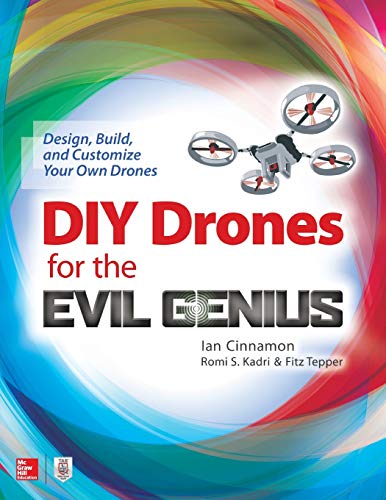
What's DIY Drones for the Evil Genius about?
DIY Drones for the Evil Genius by Ian Cinnamon and Fitz Tepper is a comprehensive guide that teaches you how to build your own drones from scratch. With step-by-step instructions and clear explanations, this book is perfect for anyone interested in the world of drone technology. Whether you're a hobbyist or a tech enthusiast, you'll find everything you need to know about designing, building, and flying your own custom drones.
Who should read DIY Drones for the Evil Genius?
- Readers with a passion for building and experimenting with technology
- Individuals interested in the world of drones and aerial photography
- Enthusiasts who want to learn the technical aspects of drone construction and programming
What's One Giant Leap about?
One Giant Leap by Charles Fishman tells the untold story of the ordinary people who made the moon landing possible. Through extensive research and interviews, Fishman reveals the incredible challenges and innovations that led to this historic event. It's a captivating account that sheds new light on one of humanity's greatest achievements.
Who should read One Giant Leap?
- Explorers and space enthusiasts who are curious about the Apollo moon landing
- History buffs interested in the behind-the-scenes details of NASA's mission
- Readers who enjoy compelling narratives that blend science, politics, and human drama
What's The Feynman Lectures on Physics about?
The Feynman Lectures on Physics is a classic textbook written by physicist Richard P. Feynman. Originally delivered as a series of lectures at Caltech in the 1960s, the book covers a wide range of topics in physics, from the basic principles to more advanced concepts. Known for its clear explanations and engaging style, it has become a staple for students and enthusiasts alike.
Who should read The Feynman Lectures on Physics?
- Individuals with a passion for understanding the fundamental laws of nature
- Students pursuing a degree in physics or a related scientific field
- Readers who enjoy engaging and intellectually stimulating non-fiction
What's Failure Is Not an Option about?
Failure Is Not an Option by Gene Kranz is a gripping memoir that takes you behind the scenes of NASA's early days and the Apollo missions. Kranz shares his firsthand experiences as a flight director, offering insight into the challenges, triumphs, and the unwavering determination to bring astronauts safely back to Earth. It's a compelling story of teamwork, problem-solving, and the relentless pursuit of excellence.
Who should read Failure Is Not an Option?
- Anyone seeking inspiration from the story of overcoming challenges and achieving success
- Individuals interested in the history of space exploration and NASA's Apollo program
- People who enjoy memoirs and personal accounts of extraordinary experiences
What's NASA Saturn V 1967-1973 about?
NASA Saturn V 1967-1973 by David Woods is a comprehensive exploration of the iconic Saturn V rocket. Filled with stunning photographs and detailed technical information, this book delves into the development, missions, and legacy of the Saturn V, highlighting its pivotal role in the Apollo moon landing program.
Who should read NASA Saturn V 1967-1973?
- Space enthusiasts who want to learn about the iconic Saturn V rocket
- Readers interested in the history of NASA's Apollo program
- Individuals who enjoy detailed technical information and diagrams about space exploration
What's A Man on the Moon about?
A Man on the Moon (1994) by Andrew Chaikin is a comprehensive account of the Apollo missions. Through interviews with astronauts, engineers, and other key figures, Chaikin brings to life the incredible challenges and triumphs of the space program. This gripping narrative takes readers on a journey to the lunar surface and offers a behind-the-scenes look at one of humanity's greatest achievements.
Who should read A Man on the Moon?
- Space enthusiasts seeking a detailed account of the Apollo moon missions
- Readers interested in the challenges and triumphs of space exploration
- Those fascinated by the personal stories of astronauts and the human side of lunar exploration
What's The Wild Blue about?
The Wild Blue by Stephen E. Ambrose is a gripping account of the young men who flew B-24s over Germany in World War II. Through personal interviews and extensive research, Ambrose brings to life the bravery and sacrifices of these pilots, highlighting their role in the Allied victory. It's a captivating blend of history and storytelling that offers a unique perspective on the war.
Who should read The Wild Blue?
- History enthusiasts, especially those interested in World War II aviation
- Readers who enjoy non-fiction narratives about extraordinary human experiences
- People who appreciate firsthand accounts from veterans and the sacrifices they made for their country
What's Drift into Failure about?
Drift into Failure by Sidney Dekker delves into the concept of complex systems and how they can unexpectedly fail. Through real-life examples from various industries, the book explores how small, seemingly insignificant events can lead to catastrophic outcomes. It challenges the traditional view of failure as a result of human error and offers a new perspective on how to prevent future disasters.
Who should read Drift into Failure?
Professionals in high-risk industries such as aviation, healthcare, and finance
Managers and leaders seeking to understand and prevent organizational failures
Individuals interested in complex systems and how they can lead to catastrophic events
What's Reliability Physics and Engineering about?
Reliability Physics and Engineering by J. W. McPherson is a comprehensive guide that delves into the principles and practices of ensuring reliability in electronic systems. From failure mechanisms to design considerations, this book offers valuable insights and practical strategies for engineers and researchers in the field of electronics and semiconductor technology.
Who should read Reliability Physics and Engineering?
Engineers and scientists seeking to understand and improve the reliability of electronic and mechanical systems
Professionals involved in product design, manufacturing, and quality assurance
Graduate students studying reliability engineering, materials science, or physics
What's A Man on the Moon about?
A Man on the Moon by Andrew Chaikin takes readers on a captivating journey through the Apollo missions, offering a comprehensive account of the race to the moon. Filled with firsthand interviews and stunning details, this book brings to life the incredible feats and challenges faced by the astronauts and the teams behind this historic achievement.
Who should read A Man on the Moon?
Enthusiasts of space exploration and the Apollo missions
Readers interested in the history of NASA and the space race
Those who enjoy captivating and well-researched non-fiction narratives
What's DIY Drones for the Evil Genius about?
DIY Drones for the Evil Genius by Ian Cinnamon is a comprehensive guide that teaches you how to build your own customized drones from scratch. With step-by-step instructions and clear explanations, this book is perfect for anyone interested in the world of drones. Whether you want to build a drone for photography, racing, or just for fun, this book has everything you need to know.
Who should read DIY Drones for the Evil Genius?
Enthusiasts who want to build and customize their own drones
Individuals with a passion for DIY projects and technology
People who are interested in learning about drone design and aerodynamics
What's Pale Blue Dot about?
Pale Blue Dot is a thought-provoking book by renowned scientist Carl Sagan. It delves into the vastness of the universe and our place within it, emphasizing the fragility and interconnectedness of life on Earth. Through beautiful prose and scientific insight, Sagan inspires readers to contemplate our responsibility to protect and preserve our pale blue dot.
Who should read Pale Blue Dot?
Individuals who are curious about the universe and humanity's place in it
Readers who enjoy thought-provoking and intellectually stimulating non-fiction
Those who are interested in scientific exploration, space exploration, and the search for extraterrestrial life
What's Skunk Works about?
Skunk Works is a fascinating account of the secret aerospace development program of the same name. Written by Ben R. Rich, the book takes you inside the world of cutting-edge technology and innovation, revealing the incredible stories behind some of the most advanced aircraft ever built. From the legendary U-2 spy plane to the stealthy F-117 Nighthawk, this book is a must-read for anyone interested in aviation and military history.
Who should read Skunk Works?
Aviation enthusiasts and professionals seeking insights into the development of cutting-edge aircraft
Readers interested in the history of military technology and the Cold War era
Individuals looking to learn from the innovative and unconventional approach of Skunk Works in solving complex engineering challenges
What's The Last Man on the Moon about?
The Last Man on the Moon is a captivating memoir by Eugene Cernan, the commander of Apollo 17 and the last human to walk on the lunar surface. In this book, Cernan shares his incredible journey from a young boy with a dream to becoming an astronaut and his experiences during the Apollo program. It offers a unique perspective on the challenges, triumphs, and ultimate legacy of the Apollo missions.
Who should read The Last Man on the Moon?
Space enthusiasts who want to learn about the Apollo program and the last manned moon landing
Readers interested in personal stories of exploration, adventure, and pushing the limits of human achievement
Those curious about the mental and emotional experiences of astronauts during their missions
What's The Sky Below about?
The Sky Below is a memoir by Scott Parazynski that takes readers on an exhilarating journey from his childhood dream of becoming an astronaut to his experiences in space. Parazynski shares the challenges, triumphs, and awe-inspiring moments of his career, including repairing the International Space Station and summiting Mount Everest. With vivid storytelling and breathtaking imagery, this book offers a unique perspective on the wonders of space and the indomitable spirit of exploration.
Who should read The Sky Below?
Space enthusiasts who want to learn about the realities of space travel
Readers interested in personal stories of overcoming challenges and pursuing dreams
Those who enjoy memoirs that combine adventure, science, and human experience




Related topics
Frequently asked questions about Aerospace Engineering
What's the best Aerospace Engineering book to read?
While choosing just one book about a topic is always tough, many people regard Aircraft Structures as the ultimate read on Aerospace Engineering.
What are the top 10 Aerospace Engineering books?
Blinkist curators have picked the following:
- Aircraft Structures by David J. Peery
- The Navy’s Air War by Albert R. Buchanan
- Pale Blue Dot by Ann Druyan, Carl Sagan
- Moon Shot by Deke Slayton, Alan Shepard
- Skunk Works by Ben R. Rich, Leo Janos
- Introduction to Structural Dynamics and Aeroelasticity by Dewey H. Hodges
- Packing for Mars by Mary Roach
- The Sky Below by Susy Flory, Scott Parazynski
- The Last Man on the Moon by Don Davis, Eugene Cernan
- Rocket Boys by Homer Hickam
Who are the top Aerospace Engineering book authors?
When it comes to Aerospace Engineering, these are the authors who stand out as some of the most influential:
- David J. Peery
- Albert R. Buchanan
- Ann Druyan, Carl Sagan
- Deke Slayton, Alan Shepard
- Ben R. Rich, Leo Janos