Better than a summary
Zang Fu Tui Na Basic Principles and Core Techniques summary
No credit card required · Cancel anytime
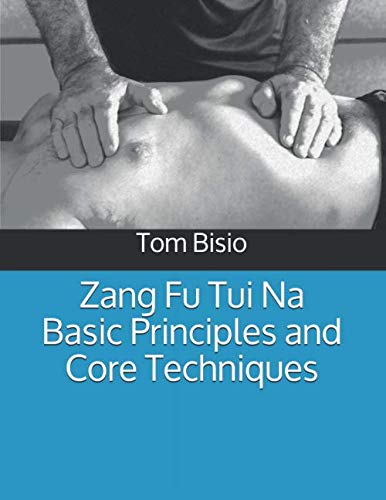
Zang Fu Tui Na: Basic Principles and Core Techniques by Tom Bisio is a comprehensive guide to the ancient Chinese art of visceral manipulation. It provides a detailed understanding of the Zang Fu organs and practical techniques for addressing imbalances.
Topics
Table of Contents
- Zang Fu Tui Na Basic Principles and Core Techniques: summary of key ideas
- What is Zang Fu Tui Na Basic Principles and Core Techniques about?
- Zang Fu Tui Na Basic Principles and Core Techniques Review
- Who should read Zang Fu Tui Na Basic Principles and Core Techniques?
- About the author
- Book summaries like Zang Fu Tui Na Basic Principles and Core Techniques
- People also liked these summaries
- Zang Fu Tui Na Basic Principles and Core Techniques FAQs
Zang Fu Tui Na Basic Principles and Core Techniques
Summary of key ideas
Exploring the Foundation of Zang Fu Tui Na
In Zang Fu Tui Na: Basic Principles and Core Techniques, Tom Bisio delves into the foundational concepts and core techniques of Zang Fu Tui Na, a form of Chinese therapeutic massage. Zang Fu Tui Na is based on traditional Chinese medicine and focuses on the manipulation of the body's internal organs to promote health and treat illness.
Bisio begins by explaining the basic principles of Zang Fu Tui Na. He introduces the concept of Zang and Fu, which are the internal organs in traditional Chinese medicine. Zang refers to solid organs like the heart, liver, spleen, lungs, and kidneys, while Fu refers to hollow organs like the gallbladder, stomach, small intestine, large intestine, and bladder. Bisio elaborates on the functions and interrelationships of these organs and their significance in maintaining overall health.
Understanding the Qi Dynamic and the Role of Palpation
Building on the foundation laid in the initial chapters, Bisio then introduces the concept of Qi, the vital energy that flows through the body. He explains the significance of the Qi dynamic in the functioning of the Zang and Fu organs and their role in maintaining health. Bisio also emphasizes the importance of palpation, the technique of examining the body by touch, in diagnosing and treating imbalances in the Zang and Fu organs.
He further explains the specific areas on the body associated with each organ and the palpation techniques used to identify abnormalities in these areas. This detailed understanding of the Qi dynamic and palpation forms the basis of Zang Fu Tui Na practice.
Core Techniques and Their Application
In the subsequent sections of the book, Bisio delves into the core techniques of Zang Fu Tui Na. He describes various hand positions, pressures, and manipulations used to regulate the energy flow and function of the Zang and Fu organs. These techniques include pressing, kneading, grasping, and shaking, among others, each with specific applications and effects on the organs.
Bisio then illustrates how these core techniques are applied to treat specific organ imbalances. He provides detailed descriptions and photographs of the techniques applied to each organ, explaining their intended effects and the conditions they address, such as liver stagnation, spleen deficiency, or kidney weakness.
Integration with Other Modalities and Conclusion
As the book nears its conclusion, Bisio discusses the integration of Zang Fu Tui Na with other modalities of traditional Chinese medicine, such as acupuncture and herbal medicine. He highlights the complementary nature of these modalities and how they can be used together to enhance treatment outcomes.
In closing, Zang Fu Tui Na: Basic Principles and Core Techniques presents a comprehensive understanding of Zang Fu Tui Na, from its foundational principles to its core techniques and their applications. It serves as a valuable resource for students and practitioners of traditional Chinese medicine, providing a deep insight into this unique form of therapeutic massage focused on the internal organs.
More knowledge in less time

Read or listen
Get the key ideas from nonfiction bestsellers in minutes, not hours.

Find your next read
Get book lists curated by experts and personalized recommendations.

Shortcasts
We've teamed up with podcast creators to bring you key insights from podcasts.
What is Zang Fu Tui Na Basic Principles and Core Techniques about?
Zang Fu Tui Na: Basic Principles and Core Techniques by Tom Bisio provides a comprehensive guide to the ancient Chinese art of Zang Fu Tui Na massage. It delves into the fundamental principles and core techniques of this therapeutic practice, offering valuable insights and practical instructions for both beginners and experienced practitioners. With a focus on harmonizing the body's internal organs and promoting overall health and well-being, this book is an essential resource for anyone interested in traditional Chinese medicine.
Zang Fu Tui Na Basic Principles and Core Techniques Review
- Exploring ancient Chinese healing methods and their application in modern practices, it bridges the gap between tradition and contemporary healthcare.
- With a focus on practical demonstrations and step-by-step instructions, it enables readers to understand and apply the techniques effectively.
- The book keeps readers engaged through its dynamic approach and emphasis on hands-on learning, ensuring a stimulating and enriching reading experience.
Who should read Zang Fu Tui Na Basic Principles and Core Techniques?
Healthcare professionals interested in incorporating traditional Chinese medicine into their practice
Massage therapists looking to expand their skills with a focus on internal organ health
Individuals seeking alternative holistic approaches to addressing internal imbalances and promoting wellness
Categories with Zang Fu Tui Na Basic Principles and Core Techniques
Book summaries like Zang Fu Tui Na Basic Principles and Core Techniques
 Eating AnimalsJonathan Safran FoerThe (a)morality of our eating habits and traditions4.3
 The Omnivore's DilemmaMichael PollanA Natural History of Four Meals4.4
 SavorHanh & CheungMindful Eating, Mindful Life4.0
 Eat to LiveJoel FuhrmanThe Amazing Nutrient-Rich Program for Fast and Sustained Weight Loss4.2
 Nutrition and Physical DegenerationWeston Andrew PriceA Comparison of Primitive and Modern Diets and their Effects4.2
 Salt Sugar FatMichael MossHow the Food Giants Hooked Us4.2
 Mindless EatingBrian WansinkWhy We Eat More Than We Think4.2
 The Twenty-Four Hour MindRosalind D. CartwrightThe Role of Sleep and Dreaming in Our Emotional Lives3.8
 GutGiulia EndersThe Inside Story of Our Body’s Most Underrated Organ4.3
 The Happiness of PursuitChris GuillebeauFinding the Quest That Will Bring Purpose to Your Life4.5
 Grain BrainDavid PerlmutterThe Surprising Truth about Wheat, Carbs, and Sugar4.3
 The Easy Way to Stop SmokingAllen CarrJoin the Millions Who Have Become Non-Smokers Using Allen Carr's Easyway Method4.1
 The Bulletproof DietDave AspreyLose up to a Pound a Day, Reclaim Energy and Focus, Upgrade Your Life4.3
 Get Some HeadspaceAndy Puddicombe10 Minutes Can Make All the Difference4.4
 In Defense of FoodMichael PollanAn Eaters Manifesto4.5
People ❤️ Blinkist
Become a member of our community of 44 million people

96k ratings

73k ratings
Guillem B.
Life changing. The concept of being able to grasp a book's main point in such a short time truly opens multiple opportunities to grow every area of your life at a faster rate.
Sven O.
It's highly addictive to get core insights on personally relevant topics without repetition or triviality. Added to that the apps ability to suggest kindred interests opens up a foundation of knowledge.
Thi Viet Quynh N.
Great app. Good selection of book summaries you can read or listen to while commuting. Instead of scrolling through your social media news feed, this is a much better way to spend your spare time in my opinion.
People also liked these summaries
 Do You Believe in Magic?Paul A. OffitVitamins, Supplements, and All Things Natural: A Look Behind the Curtain 2.7
 Brain MakerDavid PerlmutterThe Power of Gut Microbes to Heal and Protect Your Brain4.3
 The Blue ZonesDan Buettner9 Lessons for Living Longer From the People Who've Lived the Longest4.4
 The Third PlateDan BarberField Notes on the Future of Food 4.2
 The China StudyThomas Campbell and T. Colin CampbellThe Most Comprehensive Study of Nutrition Ever Conducted And the Startling Implications for Diet, Weight Loss, And Long-term Health4.1
 Missing MicrobesMartin J. BlaserHow the Overuse of Antibiotics Is Fueling Our Modern Plagues4.2
 The Paleo ManifestoJohn DurantAncient Wisdom for Lifelong Health4.2
 What The Fork Are you Eating?Stefanie SacksAn Action Plan for Your Pantry and Plate4.0
 The Boys in the BoatDaniel James BrownNine Americans and Their Epic Quest for Gold at the 1936 Berlin Olympics4.3
 I Can Hear You WhisperLydia DenworthAn Intimate Journey through the Science of Sound and Language3.9
 ImmunityWilliam E. PaulTeaser: The importance of our immune system4.2
 Ending AgingAubrey de Grey, Michael RaeThe Rejuvenation Breakthroughs That Could Reverse Human Aging in Our Lifetime3.4
 Eat, Move, SleepTom RathHow Small Choices Lead to Big Changes4.0
 Too Much of a Good Thing Lee GoldmanHow Four Key Survival Traits Are Now Killing Us
3.8
Too Much of a Good Thing Lee GoldmanHow Four Key Survival Traits Are Now Killing Us
3.8 EradicationNancy Leys StepanRidding the World of Diseases Forever3.7
Trusted by the world's leading brands

Powerful ideas from top nonfiction
Try Blinkist to get the key ideas from 7,500+ bestselling nonfiction titles and podcasts. Listen or read in just 15 minutes.
Get started
Blink 3 of 8 - The 5 AM Club
by Robin Sharma