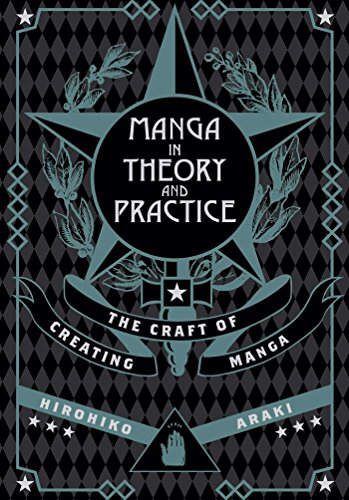
Better than a summary
Manga in Theory and Practice summary
Hirohiko Araki
No credit card required · Cancel anytime
Manga in Theory and Practice by Hirohiko Araki is a comprehensive guide that delves into the art of creating captivating manga. Araki shares his personal experiences and valuable insights, offering practical advice for aspiring manga artists.
Topics
Table of Contents
- Manga in Theory and Practice: summary of key ideas
- What is Manga in Theory and Practice about?
- Manga in Theory and Practice Review
- Who should read Manga in Theory and Practice?
- About the author
- Book summaries like Manga in Theory and Practice
- People also liked these summaries
- Manga in Theory and Practice FAQs
Manga in Theory and Practice
Summary of key ideas
Understanding the Art of Manga
In Manga in Theory and Practice by Hirohiko Araki, we begin with a thorough understanding of the art of manga. Araki discusses the importance of drawing skills, emphasizing that one must be able to draw anything, from landscapes to animals, to create a successful manga. He also explores the significant role of observation in drawing, encouraging readers to pay attention to the world around them.
Araki then delves into the core of manga creation, stressing the importance of character design and development. He discusses the need for characters to be unique and memorable, and how their personalities should be reflected in their physical appearance. Araki uses his own creation, JoJo's Bizarre Adventure, as a case study, explaining how he designed and developed its iconic characters.
Storytelling and Composition
After character development, Araki moves on to the storytelling aspect of manga. He discusses the importance of creating a compelling plot and the need for a strong beginning and end. He also emphasizes the significance of pacing, encouraging creators to vary the speed at which the story unfolds to maintain reader interest.
In terms of composition, Araki introduces his concept of the "Golden Ratio", a method of dividing panels to create visually appealing layouts. He also discusses the use of sound effects and onomatopoeia, emphasizing their role in adding depth and excitement to the reading experience.
Capturing Emotion and Action
Araki then explores the importance of capturing emotion and action in manga. He emphasizes the need for characters to express themselves visually, explaining how their facial expressions and body language can convey their emotions effectively. He also discusses the use of dynamic poses and action lines to depict movement and intensity.
Furthermore, Araki shares his insights on creating memorable fight scenes, a hallmark of many successful manga series. He explains the importance of choreographing these scenes, ensuring that they remain visually exciting and easy to follow.
Continual Improvement and Conclusion
In the latter part of the book, Araki discusses the importance of continual improvement. He encourages aspiring manga creators to constantly seek inspiration from various sources, whether it be art, literature, or real-life experiences. He also emphasizes the value of perseverance, stressing that success in manga creation often comes from hard work and dedication.
In conclusion, Manga in Theory and Practice provides a comprehensive guide to creating successful manga. Araki's insights, drawn from his own experiences as a manga artist, offer valuable lessons for aspiring creators. His unique perspective and practical advice make this book an essential read for anyone interested in understanding the art and craft of manga creation.
More knowledge in less time

Read or listen
Get the key ideas from nonfiction bestsellers in minutes, not hours.

Find your next read
Get book lists curated by experts and personalized recommendations.

Shortcasts
We've teamed up with podcast creators to bring you key insights from podcasts.
What is Manga in Theory and Practice about?
Manga in Theory and Practice by Hirohiko Araki is a comprehensive guide for aspiring manga artists. Araki shares his insights and techniques for creating compelling characters, dynamic scenes, and engaging storylines. Filled with practical tips and illustrated examples, this book offers a unique perspective on the art and craft of manga creation.
Manga in Theory and Practice Review
- Araki shares in-depth knowledge and practical tips on developing characters and storylines, offering valuable insights for aspiring manga artists.
- The book explores Araki's unique creative process and experiences, giving readers a behind-the-scenes look at the making of iconic manga series.
- With its engaging narrative and rich illustrations, the book seamlessly balances instruction with entertainment, making it a compelling read for manga enthusiasts.
Who should read Manga in Theory and Practice?
Aspiring manga artists who want to learn from a master of the craft
Fans of Hirohiko Araki's work who want to gain insight into his creative process
Artists looking to expand their understanding of storytelling and visual narrative
Categories with Manga in Theory and Practice
Book summaries like Manga in Theory and Practice
 Where Good Ideas Come FromSteven JohnsonThe Natural History of Innovation4.1
 Theory UC. Otto ScharmerLeading From the Future as it Emerges4.0
 The Laws of SimplicityJohn MaedaDesign, Technology, Business, Life3.8
 The Myths of CreativityDavid BurkusThe Truth About How Innovative Companies and People Generate Great Ideas4.4
 Art, Inc.Lisa Congdon and Meg Mateo IlascoThe Essential Guide for Building Your Career as an Artist3.9
 Building Your Business the Right-Brain WayJennifer LeeSustainable Success for the Creative Entrepreneur4.2
 Creative, Inc.Meg Mateo Ilasco and Joy Deangdeelert ChoThe Ultimate Guide to Running a Successful Freelance Business3.9
 Ungifted: Intelligence RedefinedScott Barry KaufmanThe Truth About Talent, Practice, Creativity and the Many Paths to Greatness4.3
 OriginalsAdam GrantHow Non-Conformists Move the World4.3
 The Innovator’s HypothesisMichael SchrageHow Cheap Experiments Are Worth More than Good Ideas3.8
 How To Be Like WaltPat WilliamsCapturing the Disney Magic Every Day of Your Life4.1
 Perennial SellerRyan HolidayThe Art of Making and Marketing Work that Lasts3.9
 The Myths of InnovationScott BerkunThe bestseller on the history of ideas4.3
 Creative SuperpowersLaura Jordan Bambach, Mark Earls, Daniele Fiandaca, Scott Morrison (Ed.)Equip Yourself for the Age of Creativity4.4
 Deep ThinkingGarry KasparovWhere Machine Intelligence Ends and Human Creativity Begins3.9
People ❤️ Blinkist
Become a member of our community of 44 million people

96k ratings

73k ratings
Renee D.
I'm absolutely thrilled that Blinkist now offers infographics! I can't get enough of them—they're such a fun and effective way to grasp and remember key points.
Sven O.
It's highly addictive to get core insights on personally relevant topics without repetition or triviality. Added to that the apps ability to suggest kindred interests opens up a foundation of knowledge.
Thi Viet Quynh N.
Great app. Good selection of book summaries you can read or listen to while commuting. Instead of scrolling through your social media news feed, this is a much better way to spend your spare time in my opinion.
People also liked these summaries
 Wired to CreateScott Barry Kaufman, Carolyn GregoireUnraveling the Mysteries of the Creative Mind4.6
 StoryworthyMatthew DicksEngage, Teach, Persuade, and Change Your Life through the Power of Storytelling4.2
 Imagine It ForwardBeth Comstock with Thal RazCourage, Creativity, and the Power of Change3.9
 Stories for WorkGabrielle DolanThe Essential Guide to Business Storytelling4.4
 RestAlex Soojung-Kim PangWhy You Get More Done When You Work Less4.4
 LoonshotsSafi BahcallHow to Nurture the Crazy Ideas That Win Wars, Cure Diseases, and Transform Industries4.5
 The Icarus DeceptionSeth GodinHow High Will You Fly?4.4
 The Creativity CodeMarcus du SautoyHow AI is learning to write, paint and think4.4
 The Science of StorytellingWill StorrTeaser: The scientific underpinnings of a good story4.2
 Keep GoingAustin Kleon10 Ways to Stay Creative in Good Times and Bad4.5
 Against CreativityOli MouldTeaser: A critical examination of the contemporary notion of creativity3.7
 Unlocking CreativityMichael A. RobertoHow to Solve Any Problem and Make the Best Decisions by Shifting Creative Mindsets4.3
 Do DesignAlan MooreWhy Beauty is Key to Everything4.5
 Gamification for BusinessSune Gudiksen, Jake InloveWhy Innovators and Changemakers Use Games to Break Down Silos, Drive Engagement and Build Trust4.0
 Innovation for the FatiguedAlf RehnHow to build a culture of deep creativity4.3
Trusted by the world's leading brands

Powerful ideas from top nonfiction
Try Blinkist to get the key ideas from 7,500+ bestselling nonfiction titles and podcasts. Listen or read in just 15 minutes.
Get started
Blink 3 of 8 - The 5 AM Club
by Robin Sharma