Better than a summary
History of Fly-Fishing in Fifty Flies summary
Ian Whitelaw
No credit card required · Cancel anytime
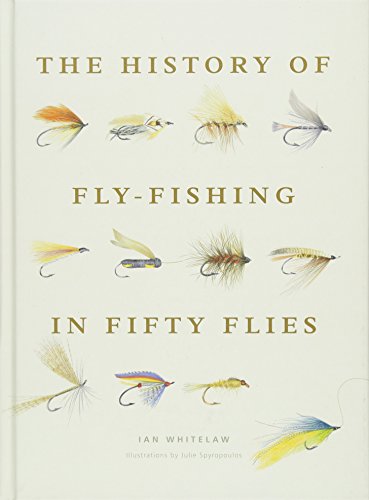
History of Fly-Fishing in Fifty Flies by Ian Whitelaw is a captivating exploration of the evolution of fly patterns. It delves into the stories behind iconic flies and their impact on the sport of fly-fishing.
Topics
Table of Contents
- History of Fly-Fishing in Fifty Flies: summary of key ideas
- What is History of Fly-Fishing in Fifty Flies about?
- History of Fly-Fishing in Fifty Flies Review
- Who should read History of Fly-Fishing in Fifty Flies?
- About the author
- Book summaries like History of Fly-Fishing in Fifty Flies
- People also liked these summaries
- History of Fly-Fishing in Fifty Flies FAQs
History of Fly-Fishing in Fifty Flies
Summary of key ideas
The Evolution of Fly-Fishing
In History of Fly-Fishing in Fifty Flies by Ian Whitelaw, we are taken on a journey through the evolution of fly-fishing. Starting with the Stewart's Black Spider, a fly developed in the 1850s and still in use today, we learn about the early days of fly-fishing. This period was marked by the transition from the use of live insects as bait to the development of artificial flies, which were more durable and could be used year-round.
The next significant fly in this history is the Lady Caroline, which was created in 1855. This fly represents the shift in fly design, incorporating more materials and techniques as well as the use of exotic feathers. The Royal Coachman, developed in 1878, further exemplifies this trend, showcasing the increasing complexity and artistry of fly-tying.
Fly-Fishing in America
As we move into the early 20th century, we see the rise of fly-fishing in America. The Bass Popper, created in the 1920s, was designed specifically for bass fishing, reflecting the growing interest in fly-fishing for warm-water species. The Adams, developed in the 1920s by Leonard Halladay, is another iconic American fly, known for its versatility and effectiveness across various water types and conditions.
The Gray Wulff, a 1930s creation, marked a significant innovation in fly design, featuring a hair wing that provided improved visibility and buoyancy. The Muddler Minnow, also from the 1930s, was a game-changer, designed to imitate small fish and other aquatic creatures, expanding the range of species that could be targeted using flies.
Innovations and Modern Flies
As we progress through the 20th century, we witness further innovations in fly design. The Tom Thumb, a 1930s fly, was one of the first foam-bodied flies, a design element that has since become widespread in modern fly patterns due to its buoyancy and durability. The Lefty's Deceiver, created in the 1950s, was a revolutionary saltwater fly, designed to imitate baitfish and capable of catching a wide range of predatory species.
The Dave's Hopper, developed in the 1950s, was a significant terrestrial fly pattern, imitating grasshoppers and other land-based insects. The Syl's Midge, created in the 1970s, reflects the increasing specialization in fly patterns, designed specifically for imitating midge insects, a crucial food source for trout and other fish.
Global Influence and Technological Advancements
As we approach the present day, we see the global influence on fly-fishing. The Ice Cream Cone, a 1990s creation, reflects the use of new synthetic materials in fly-tying, offering increased durability and lifelike appearance. The Deer Hair Emerger, developed in the 1980s, showcases the use of natural materials in innovative ways to imitate emerging insects, a crucial stage in their life cycle.
The Bionic Bug, a 2000s fly, represents the increasing influence of European nymphing techniques on fly design, while the Takayama Sakasa Kebari, a traditional Japanese fly, highlights the global nature of fly-fishing and the continued evolution of fly patterns around the world.
Conclusion
As we conclude our journey through the History of Fly-Fishing in Fifty Flies, we gain a deep appreciation for the art, science, and history of fly-tying. Each of the fifty flies presented in this book represents a significant milestone in the evolution of fly-fishing, reflecting changes in angling techniques, environmental awareness, and technological advancements. This book serves as a testament to the enduring appeal of fly-fishing and the ingenuity of the anglers who continue to push the boundaries of this ancient sport.
More knowledge in less time

Read or listen
Get the key ideas from nonfiction bestsellers in minutes, not hours.

Find your next read
Get book lists curated by experts and personalized recommendations.

Shortcasts
We've teamed up with podcast creators to bring you key insights from podcasts.
What is History of Fly-Fishing in Fifty Flies about?
History of Fly-Fishing in Fifty Flies by Ian Whitelaw explores the evolution of fly-fishing through the lens of fifty iconic flies. From ancient patterns to modern innovations, this book delves into the stories behind each fly and the impact they have had on the sport. With beautiful illustrations and engaging anecdotes, it offers a unique perspective on the history and art of fly-fishing.
History of Fly-Fishing in Fifty Flies Review
- Featuring historical anecdotes and captivating stories behind each fly, it offers a deeper understanding of fly-fishing's rich heritage.
- Its beautiful illustrations bring the flies to life, enhancing the visual appeal and making the content more engaging.
- Through a blend of practical tips and historical context, the book seamlessly combines educational value with entertainment, ensuring a delightful and informative read.
Who should read History of Fly-Fishing in Fifty Flies?
Anyone interested in the history and evolution of fly-fishing
Experienced fly anglers looking to expand their knowledge of different fly patterns
Those who appreciate the art and craftsmanship of fly tying
Categories with History of Fly-Fishing in Fifty Flies
Book summaries like History of Fly-Fishing in Fifty Flies
 The Omnivore's DilemmaMichael PollanA Natural History of Four Meals4.4
 The GridGretchen BakkeThe Fraying Wires Between Americans and Our Energy Future4.2
 Alex & MeIrene PepperbergHow a Scientist and a Parrot Discovered a Hidden World of Animal Intelligence—and Formed a Deep Bond in the Process4.4
 The Rise and Fall of the DinosaursSteve BrusatteA New History of a Lost World4.6
 The Uninhabitable EarthDavid Wallace-WellsA Story of the Future4.5
 The MosquitoTimothy C. WinegardA Human History of Our Deadliest Predator4.7
 How Bad Are Bananas?Mike Berners-LeeThe Carbon Footprint of Everything4.2
 We Are the WeatherJonathan Safran FoerSaving the Planet Begins at Breakfast4.3
 The Biological MindAlan JasanoffHow Brain, Body, and Environment Collaborate to Make Us Who We Are4.4
 DrawdownPaul Hawken (Editor)The Most Comprehensive Plan Ever Proposed to Reverse Global Warming4.3
 ChernobylSerhii PlokhyThe History of a Nuclear Catastrophe4.6
 UnderbugLisa MargonelliAn Obsessive Tale of Termites and Technology4.6
 Adventures in the AnthropoceneGaia VinceA Journey to the Heart of the Planet We Made4.2
 FalterBill McKibbenHas the Human Game Begun to Play Itself Out?4.2
 NovaceneJames LovelockThe Coming Age of Hyperintelligence4.3
People ❤️ Blinkist
Become a member of our community of 44 million people

96k ratings

73k ratings
Guillem B.
Life changing. The concept of being able to grasp a book's main point in such a short time truly opens multiple opportunities to grow every area of your life at a faster rate.
Jonathan A.
Clearly communicates the value proposition of the most popular book summaries and offers a relatable, tangible template that I can use immediately.
Thi Viet Quynh N.
Great app. Good selection of book summaries you can read or listen to while commuting. Instead of scrolling through your social media news feed, this is a much better way to spend your spare time in my opinion.
People also liked these summaries
 Foragers, Farmers, and Fossil FuelsIan MorrisHow Human Values Evolve 4.0
 Food FixMark Hyman, MDHow to Save Our Health, Our Economy, Our Communities, and Our Planet – One Bite at a Time4.5
 The Incredible Journey of PlantsStefano MancusoTeaser: A fascinating account of natural history4.5
 Entangled LifeMerlin SheldrakeHow Fungi Make Our Worlds, Change our Minds and Shape Our Futures4.7
 Losing EdenLucy JonesWhy Our Minds Need the Wild4.5
 Isaac's StormErik LarsonA Man, a Time, and the Deadliest Hurricane in History4.3
 The Book of HumansAdam RutherfordA Brief History of Culture, Sex, War and the Evolution of Us4.3
 Losing EarthNathaniel RichA Recent History4.4
 The Next Great MigrationSonia ShahThe Beauty and Terror of Life on the Move4.2
 The Fate of RomeKyle HarperClimate, Disease, and the End of an Empire4.4
 The Fate of FoodAmanda LittleWhat We'll Eat in a Bigger, Hotter, Smarter World4.1
 Honeybee DemocracyThomas D. SeeleyA fascinating story of collective wisdom and effective decision-making4.5
 The Future We ChooseChristiana Figueres, Tom Rivett-CarnacSurviving the Climate Crisis4.1
 The Book of EelsPatrik SvenssonOur Enduring Fascination with the Most Mysterious Creature in the Natural World4.6
 The Eight Master Lessons of NatureGary FergusonWhat Nature Teaches Us About Living Well in the World4.4
Trusted by the world's leading brands

Powerful ideas from top nonfiction
Try Blinkist to get the key ideas from 7,500+ bestselling nonfiction titles and podcasts. Listen or read in just 15 minutes.
Get started
Blink 3 of 8 - The 5 AM Club
by Robin Sharma