The best 29 Animals books
- 1

A Sky Full of Birds
Matt Merritt
In Search of Murders, Murmurations and Britain’s Great Bird Gatherings
4.5 (13 ratings)
Listen to the Intro00:51What's A Sky Full of Birds about?
A Sky Full of Birds (2016) is a celebration of birdlife in Britain. These blinks offer fascinating insights into mating rituals and migration patterns and explain the cultural significance of murmurations, murders, swan songs, and more.
Who should read A Sky Full of Birds?
- British birdwatchers keen to know more about their local wildlife
- Avian enthusiasts interested in what the United Kingdom has to offer
- Readers curious about the role of birds in British culture
- Listen to the Intro01:01
What's Cod about?
Cod (1997) charts the rise and fall of the codfish. A major commodity in the European market during the discovery of the New World, cod went on to cause national conflicts and, due to overfishing, eventually became vulnerable to extinction. Find out how this fish changed the world only to end up on the verge of oblivion.
Who should read Cod?
- Foodies interested in the history of seafood
- Conservationists curious about the dangers of overfishing
- Students of marine biology
- Listen to the Intro00:57
What's The Genius of Birds about?
The Genius of Birds (2016) is all about the incredible intellect of these winged creatures. These blinks explain the many ways birds display their intelligence, from tool making and navigation to memory and song.
Who should read The Genius of Birds?
- People who want to know why birds chirp outside their window every morning
- Anyone curious about neurological research in animals
- Listen to the Intro00:57
What's Cat about?
Cat (2006) offers a lovingly detailed look at the biological, historical and cultural history of our furry feline friends. Each blink looks at a different stage of development, chronicling how the relationship between humans and cats has evolved from horrific superstitious misunderstandings to domesticated bliss. Meow!
Who should read Cat?
- Cat lovers
- Those curious about the symbolic meaning of cats
- Readers interested in cultural history
- Listen to the Intro00:41
What's Feathers about?
Feathers (2011) is all about the evolution and significance of our quilled comrades, the birds. These blinks explain how feathers originated, why they’re unique and how they have affected everything from human culture to technology.
Who should read Feathers?
- Nature enthusiasts
- Biologists and zoologists
- Pilots, flight attendants and anyone interested in flying
- Listen to the Intro00:53
What's Cannibalism about?
Cannibalism (2017) offers a scientific, historical and cultural approach to the understanding of, well, cannibalism. These blinks explain why animals eat their own, why it’s become so taboo among humans, and why it could come back.
Who should read Cannibalism?
- Scientists, biologists and sociologists
- Students interested in evolution and cultural taboos
- People who love sci-fi and dystopian fiction
- Listen to the Intro01:06
What's In a Sunburned Country about?
In a Sunburned Country (2000) is Bill Bryson’s personal account of his time traveling around Australia. With stopovers in major cities, out-of-the-way mining towns and treks through the vast wilderness, it’s a travelogue packed with insights into the history, culture and wildlife of this unique nation.
Who should read In a Sunburned Country?
- Globetrotters
- Historians
- Lovers of nature and wildlife
- 8

Other Minds
Peter Godfrey-Smith
The Octopus, the Sea, and the Deep Origins of Consciousness
4.1 (180 ratings)
Listen to the Intro00:58What's Other Minds about?
Other Minds (2016) is an exploration of the evolution of the octopus. Once a limpet-like creature that crawled along the bottom of the ocean, the octopus is now an intelligent and unique predator. Peter Godfrey-Smith guides the reader through billions of years of evolutionary history to explain the development of complex life, while shedding light on one of the world’s most intriguing animals.
Who should read Other Minds?
- Students of biology and zoology
- Readers interested in evolutionary science
- Animal lovers
- Listen to the Intro00:45
What's Power, Sex, Suicide about?
Power, Sex, Suicide (2005) reveals the incredible role that mitochondria play in the evolution of complex life forms. The book looks at various functions of multicellular organisms, including energy generation, cellular relationships and life cycles, and demonstrates the influence of mitochondria in each of these areas.
Who should read Power, Sex, Suicide?
- Biologists and biology students
- People interested in the origin and evolution of life
- Those who want to know more about life, sex and death from a biological perspective
- Listen to the Intro01:17
What's The Rise and Fall of the Dinosaurs about?
In The Rise and Fall of the Dinosaurs (2018), leading young paleontologist Steve Brusatte takes us on a journey through time and space, detailing the history of the different dinosaurs and the worlds in which they lived. He is guided by his deep knowledge of fossils and geological evidence, and is thus able to bring the fascinating stories of dinosaurs into clear focus.
Who should read The Rise and Fall of the Dinosaurs?
- Anyone looking to take their knowledge of dinosaurs beyond Jurassic Park
- Adults who loved playing with dinosaurs when they were kids
- People interested in geology and fossils
- 11

The Elephant in the Brain
Kevin Simler and Robin Hanson
Hidden Motive in Everyday Life
3.9 (109 ratings)
Listen to the Intro00:59What's The Elephant in the Brain about?
The Elephant in the Brain (2018) explores the selfish motives that drive much of human behavior but which we’d much rather remain unaware of.
Who should read The Elephant in the Brain?
- Students of psychology and anthropology
- People interested in evolutionary theory
- Anyone curious about the dynamics of human behavior
- Listen to the Intro01:16
What's The Mosquito about?
The Mosquito (2019) provides a sweeping tour of human history with a novel twist. As it follows the course of the pivotal events that shaped the world in which we live today, it draws attention to some of the most important but under-appreciated factors that have influenced those events: the mosquito and the deadly diseases it carries.
Who should read The Mosquito?
- World history buffs seeking a new perspective on pivotal events in the past
- People interested in how diseases have shaped our species
- Anyone looking for even more reasons to hate the mosquito
- 13

Honeybee Democracy
Thomas D. Seeley
A fascinating story of collective wisdom and effective decision-making
4.5 (71 ratings)
Listen to the Intro00:55What's Honeybee Democracy about?
Honeybee Democracy (2010) traces the fascinating story of how bees decide where to build their new hive. Using highly evolved skills, like independent research and community debate, the bees’ deeply democratic decision-making process is a model we can all learn from.
Who should read Honeybee Democracy?
- Popular science enthusiasts with a fondness for insects
- Politics buffs who want to learn about democratic systems
- Anyone and everyone who thinks bees are cool
- 14

The Book of Eels
Patrik Svensson
Our Enduring Fascination with the Most Mysterious Creature in the Natural World
4.6 (37 ratings)
Listen to the Intro01:37What's The Book of Eels about?
The Book of Eels (2020) takes the reader on a zoological odyssey spanning thousands of years. It’s the story of the eel – a creature that has enthralled humanity with its strange and complex life cycle. Countless scientists have dedicated their careers to the enigma of this fish, which has evolved to undergo several metamorphoses over the course of its life and to endure a grueling migration across the Atlantic to breed. But the eel has proven to be an elusive creature, and there are still many secrets about its life that it seems intent on keeping to itself.
Who should read The Book of Eels?
- Nature lovers who are fascinated by strange stories from the great outdoors
- Fans of mysteries that stubbornly resist explanation
- Environmentalists concerned about humans’ effect on the future of the eel
- 15

The Eight Master Lessons of Nature
Gary Ferguson
What Nature Teaches Us About Living Well in the World
4.4 (194 ratings)
Listen to the Intro01:12What's The Eight Master Lessons of Nature about?
The Eight Master Lessons of Nature (2019) is a reflective treatise on what nature can teach us about living well. Carefully observing many forms of life, from forest mushrooms to mighty elephants, the guide reveals valuable lessons they may hold for us. In doing so, it invites us to look again at the wild world around us with a renewed sense of awe and wonder.
Who should read The Eight Master Lessons of Nature?
- City slickers seeking a greener life
- Nature lovers looking for a deeper connection
- Those searching for a more mellow approach to living
- Listen to the Intro01:22
What's Under a White Sky about?
For thousands of years, we humans have been struggling against nature. Under a White Sky (2021) explores the problems that come about when we win that fight – and how scientists, engineers, and others are trying to fix them. From the quaint to the grandiose, from the quirky to the terrifying, it’s our responsibility to explore all available remedies for the deep damage we’ve wrought.
Who should read Under a White Sky?
- Anyone concerned about the state of the natural world
- Plant and animal lovers
- Futurists curious about global changes
- 17

The Secret World of Weather
Tristan Gooley
Read Signs in Every Cloud, Street, Plant, Animal, and Dewdrop
4.4 (228 ratings)
Listen to the Intro01:09What's The Secret World of Weather about?
The Secret World of Weather (2021) teaches you how to speak the forgotten language of local climates. Clouds, winds, plants, and other features of our environment all give us clues about the weather as we actually experience it versus what we’ve heard on the daily forecast. With just a little practice, you’ll find it easy to tune into their secret messages and start making your own weather forecasts.
Who should read The Secret World of Weather?
- Hikers, bikers, and wandering spirits
- City dwellers looking to reconnect with nature
- Anyone who doesn’t quite trust their weather app!
- 18

Our Wild Calling
Richard Louv
How Connecting with Animals Can Transform Our Lives & Save Theirs
4.5 (48 ratings)
Listen to the Intro01:07What's Our Wild Calling about?
Our Wild Calling (2020) examines how humans and other animals can enjoy mutually beneficial relationships. It explores stories and philosophy from the ecological movement, and outlines how we can move toward a more hopeful future for all Earthlings.
Who should read Our Wild Calling?
- Nature lovers looking for inspiration
- Office dwellers seeking ways to reconnect with nature
- Anyone looking for direct ways to respond to global climate change
- Listen to the Intro01:07
What's The New Breed about?
The New Breed (2021) offers new insights into the ongoing debate surrounding robots and artificial intelligence. Instead of looking at robots as a human replacement or threat, the author sees a more accurate comparison in the long relationship we’ve had with autonomous animals, which have helped us feel better and get work done.
Who should read The New Breed?
- Popular science enthusiasts
- Panicking futurists
- Technophobes
- 20

If Nietzsche Were a Narwhal
Justin Gregg
What Animal Intelligence Reveals about Human Stupidity
4.3 (206 ratings)
Listen to the Intro01:48What's If Nietzsche Were a Narwhal about?
If Nietzsche Were a Narwhal (2022) takes a playful yet profoundly meaningful look at what makes humans so different from the other animals on the planet. In doing so, it makes a strong case for why the human mind may be dangerously unsuccessful from an evolutionary standpoint.
Who should read If Nietzsche Were a Narwhal?
- Animal lovers and pet owners
- Science geeks
- People worried about the fate of humanity
- Listen to the Intro01:38
What's An Immense World about?
An Immense World (2022) explores the sensory worlds of animals, highlighting how they differ from the human experience. Tracing sight, sound, touch, and more, it shares the various ways animals sense our world – and the extra information they glean with the help of their specialized senses.
Who should read An Immense World?
- People interested in how animals make sense of their environment
- Animal lovers
- Anyone curious about the natural world
- 22

All Creatures Great and Small
James Herriot
The Warm and Joyful Memoirs of the World's Most Beloved Animal Doctor
4.3 (117 ratings)
Listen to the Intro01:08What's All Creatures Great and Small about?
All Creatures Great and Small (1972) is a semi-autobiographical chronicle of the life and adventures of young veterinarian James Herriot during the 1930s and ’40s. Blending humor, warmth, and vivid storytelling, it beautifully captures the challenges and joys of veterinary practice in rural England. Ultimately, it offers a delightful and heartfelt portrayal of the bond between humans and animals as well as the enduring spirit of community.
Who should read All Creatures Great and Small?
- Veterinarians and veterinary students
- Animal lovers and nature enthusiasts
- Anyone interested in a cozy, nostalgic story
- Listen to the Intro01:31
What's Every Living Thing about?
Every Living Thing (2024) explores the bitter rivalry between Carl Linnaeus and Georges-Louis de Buffon to catalog every living thing, a competition that gave birth to modern biological science while also planting the seeds of scientific racism. It reveals how historical accidents and political forces ensured that the wrong man’s ideas triumphed, leaving us with Linnaeus’s rigid classification system even though Buffon was right about evolution, extinction, and the interconnected nature of life.
Who should read Every Living Thing?
- Science fans who enjoy discovering how scientific knowledge developed through human rivalry and error
- History buffs who appreciate colorful characters and surprising connections to modern issues
- Anyone curious about how political forces shape the scientific ideas that survive
- Listen to the Intro01:10
What's The Horse about?
The Horse (2024) offers a sweeping exploration of how horses have shaped human civilization across millennia. From their evolutionary origins to their roles in warfare, agriculture, and culture, the book explores the profound and often overlooked impact of these majestic animals on the course of human history.
Who should read The Horse?
- History buffs interested in social and cultural history
- Animal lovers and equestrians curious about the history of human-horse collaboration
- Anyone curious about the unexpected forces behind cultural evolution
- 25

This Dog Will Change Your Life
Elias Weiss Friedman
Teaser: How dogs reshape our hearts, minds, and purpose.
4.1 (39 ratings)
Listen to the Intro01:08What's This Dog Will Change Your Life about?
This Dog Will Change Your Life (2025) takes us on a heartfelt journey that reveals the many unexpected ways in which dogs enrich our lives. They’re teachers, healers, helpers, and unconditional friends. The kind of companions who can deepen our relationships, ease our anxieties, and even help us find our true calling. Whether you’re a dog person or just curious, this book reveals the surprising magic dogs bring to our everyday lives.
Who should read This Dog Will Change Your Life?
- Dog lovers and pet owners
- Mental health advocates and those struggling with anxiety or depression
- Anyone curious about human-animal relationships
- 26

How to Be a Living Thing
Mari Andrew
Meditations on Intuitive Oysters, Hopeful Doves, and Being Human in the World
4.4 (15 ratings)
Listen to the Intro01:50What's How to Be a Living Thing about?
How to Be a Living Thing (2025) explores what animals can teach us about being human. It blends personal reflection with stories of creatures from orcas to oysters, showing how their instincts and behaviors mirror our own struggles and joys. It invites you to see connection, resilience, and wonder as part of your everyday life.
Who should read How to Be a Living Thing?
- Animal lovers seeking deeper meaning in human life
- Anyone interested in philosophy, spirituality, and self discovery
- People exploring empathy, disability, and social awareness
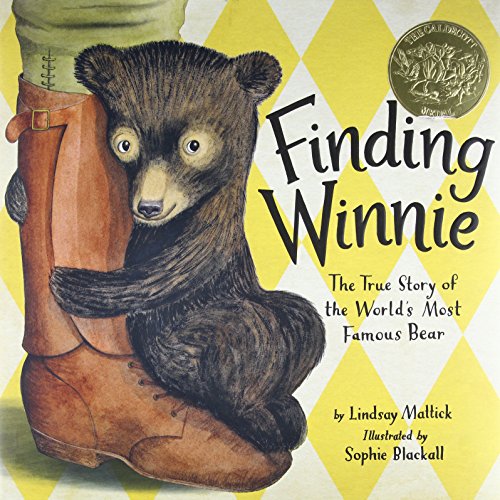
What's Finding Winnie about?
This heartwarming true story follows a veterinarian named Harry Colebourn who adopts an orphaned bear cub and names her Winnie. Set during World War I, the book recounts the incredible journey of Winnie and the bond she forms with Harry, ultimately leading her to become the inspiration for A.A. Milne's beloved character, Winnie-the-Pooh. A tale of friendship, love, and the power of storytelling, "Finding Winnie" is a delightful read for all ages.
Who should read Finding Winnie?
- Parents and caregivers who want to teach children about history and the power of love
- Readers who enjoy heartwarming and beautifully illustrated true stories
- Anyone interested in the origins of the beloved character Winnie the Pooh
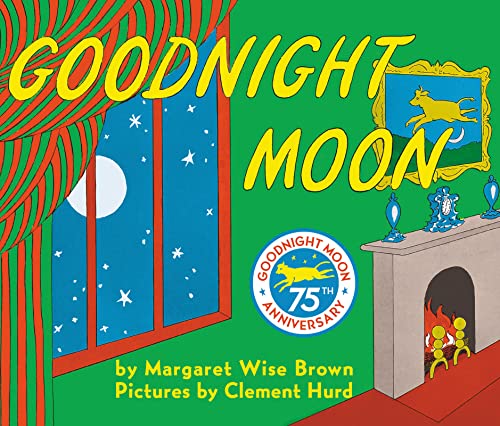
What's Goodnight Moon about?
Goodnight Moon is a classic children's book that takes readers on a soothing journey through a little bunny's bedtime routine. With its simple yet captivating rhymes and beautiful illustrations by Clement Hurd, the book has been a beloved bedtime story for generations. It's a comforting and calming read that helps children wind down and prepare for sleep.
Who should read Goodnight Moon?
- Parents or caregivers who want to engage their young children in a calming bedtime routine
- Adults who appreciate simple and beautifully illustrated children's books
- Individuals who enjoy nostalgic stories that evoke a sense of comfort and tranquility
What's Horse Health Care about?
Horse Health Care by Cherry Hill is a comprehensive guide covering all aspects of equine health. From preventive care and nutrition to first aid and common illnesses, this book provides valuable information for horse owners and caretakers. With clear explanations and practical tips, it aims to help readers keep their horses healthy and happy.
Who should read Horse Health Care?
Equine enthusiasts who want to ensure their horse's well-being
Horse owners looking to expand their knowledge of equine health
Veterinary professionals seeking comprehensive information on horse care



Related topics
Frequently asked questions about Animals
What's the best Animals book to read?
What are the top 10 Animals books?
- A Sky Full of Birds by Matt Merritt
- Cod by Mark Kurlansky
- The Genius of Birds by Jennifer Ackerman
- Cat by Kay Rogers
- Feathers by Thor Hanson
- Cannibalism by Bill Schutt
- In a Sunburned Country by Bill Bryson
- Other Minds by Peter Godfrey-Smith
- Power, Sex, Suicide by Nick Lane
- The Rise and Fall of the Dinosaurs by Steve Brusatte
Who are the top Animals book authors?
- Matt Merritt
- Mark Kurlansky
- Jennifer Ackerman
- Kay Rogers
- Thor Hanson