Better than a summary
The Infinite Resource summary
Ramez Naam
No credit card required · Cancel anytime
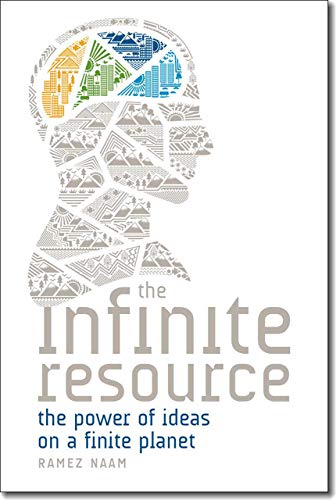
The Infinite Resource by Ramez Naam explores how human ingenuity and technological innovation can help us overcome the challenges of resource scarcity and environmental degradation, ultimately leading to a more prosperous and sustainable future.
The Infinite Resource
Summary of key ideas
Adapting to the Infinite Resource
In The Infinite Resource by Ramez Naam, the author challenges the traditional Malthusian view that the world's resources are finite and will inevitably be depleted by an ever-growing population. Naam argues that human ingenuity and technological innovation can effectively counteract resource scarcity, leading to a future where resources are effectively infinite.
Naam begins by examining the history of human innovation, highlighting how we have consistently found new ways to produce resources more efficiently and sustainably. He notes that this trend is likely to continue, given the exponential growth of technology and human knowledge. For instance, he points to the rapid advancements in renewable energy and the increasing efficiency of food production as evidence of our ability to overcome resource limitations.
Technology and Sustainability
Next, Naam delves into the role of technology in ensuring a sustainable future. He argues that technological advancements can enable us to decouple economic growth from resource consumption, thereby allowing us to maintain our standard of living without harming the environment. For instance, he discusses how improvements in energy storage and grid management can make renewable energy sources such as solar and wind more reliable and cost-effective.
Naam also explores the potential of emerging technologies such as nanotechnology, biotechnology, and artificial intelligence to address environmental challenges. He suggests that these technologies could revolutionize resource extraction, recycling, and pollution control, leading to a more sustainable and circular economy.
The Economics of Innovation
In the third part of The Infinite Resource, Naam focuses on the economic incentives needed to drive sustainable innovation. He argues that traditional economic models, which often fail to account for the long-term environmental costs of resource extraction and consumption, need to be reformed. Naam suggests implementing policies such as carbon pricing, resource taxes, and subsidies for clean technologies to encourage businesses and individuals to adopt sustainable practices.
Furthermore, Naam advocates for increased investment in research and development, particularly in areas related to sustainable resource management. He believes that governments, businesses, and individuals should view such investments not as a cost but as a means to secure a more prosperous and sustainable future.
Global Cooperation and Governance
Naam concludes The Infinite Resource by emphasizing the importance of international collaboration in addressing global resource challenges. He argues that environmental problems such as climate change and biodiversity loss cannot be effectively tackled by individual countries acting in isolation. Instead, he calls for the establishment of global agreements and institutions that promote sustainable development and resource management.
Naam acknowledges that achieving such global cooperation will be challenging, given the diverse interests and priorities of different nations. However, he remains optimistic, pointing to past successes such as the Montreal Protocol, which effectively addressed the issue of ozone depletion, as evidence that international environmental agreements are possible.
In Conclusion
In summary, The Infinite Resource presents an optimistic view of the future, where human innovation and technological progress enable us to overcome resource scarcity and environmental degradation. Naam's message is clear: while the challenges we face are significant, they are not insurmountable. By embracing sustainable technologies, reforming economic incentives, and fostering global cooperation, we can ensure a prosperous and abundant future for generations to come.
More knowledge in less time

Read or listen
Get the key ideas from nonfiction bestsellers in minutes, not hours.

Find your next read
Get book lists curated by experts and personalized recommendations.

Shortcasts
We've teamed up with podcast creators to bring you key insights from podcasts.
What is The Infinite Resource about?
The Infinite Resource by Ramez Naam explores how technological innovation and human ingenuity have the potential to address the world's greatest challenges, such as climate change, energy scarcity, and food security. Naam argues that by harnessing the power of innovation, we can create a sustainable future and overcome the limitations of finite resources.
The Infinite Resource Review
- Offers innovative solutions to pressing global issues like climate change and resource scarcity, sparking fresh perspectives on sustainability.
- Provides a hopeful outlook on the future by highlighting the potential of human ingenuity in overcoming obstacles and creating a better world.
- Engages readers with its dynamic exploration of how science and technology can pave the way for a more prosperous and sustainable future, making it a compelling and enlightening read.
Who should read The Infinite Resource?
Individuals seeking a deeper understanding of global resource challenges and potential solutions
Entrepreneurs and innovators looking for opportunities in sustainable technologies
Policymakers and activists interested in shaping a more sustainable future
Categories with The Infinite Resource
Book summaries like The Infinite Resource
 The Omnivore's DilemmaMichael PollanA Natural History of Four Meals4.4
 The GridGretchen BakkeThe Fraying Wires Between Americans and Our Energy Future4.2
 Alex & MeIrene PepperbergHow a Scientist and a Parrot Discovered a Hidden World of Animal Intelligence—and Formed a Deep Bond in the Process4.4
 The Rise and Fall of the DinosaursSteve BrusatteA New History of a Lost World4.6
 The Uninhabitable EarthDavid Wallace-WellsA Story of the Future4.5
 The MosquitoTimothy C. WinegardA Human History of Our Deadliest Predator4.7
 How Bad Are Bananas?Mike Berners-LeeThe Carbon Footprint of Everything4.2
 We Are the WeatherJonathan Safran FoerSaving the Planet Begins at Breakfast4.3
 The Biological MindAlan JasanoffHow Brain, Body, and Environment Collaborate to Make Us Who We Are4.4
 DrawdownPaul Hawken (Editor)The Most Comprehensive Plan Ever Proposed to Reverse Global Warming4.3
 ChernobylSerhii PlokhyThe History of a Nuclear Catastrophe4.6
 UnderbugLisa MargonelliAn Obsessive Tale of Termites and Technology4.6
 Adventures in the AnthropoceneGaia VinceA Journey to the Heart of the Planet We Made4.2
 FalterBill McKibbenHas the Human Game Begun to Play Itself Out?4.2
 NovaceneJames LovelockThe Coming Age of Hyperintelligence4.3
 Foragers, Farmers, and Fossil FuelsIan MorrisHow Human Values Evolve 4.0
 Food FixMark Hyman, MDHow to Save Our Health, Our Economy, Our Communities, and Our Planet – One Bite at a Time4.5
 The Incredible Journey of PlantsStefano MancusoTeaser: A fascinating account of natural history4.5
 Entangled LifeMerlin SheldrakeHow Fungi Make Our Worlds, Change our Minds and Shape Our Futures4.7
 Losing EdenLucy JonesWhy Our Minds Need the Wild4.5
 Isaac's StormErik LarsonA Man, a Time, and the Deadliest Hurricane in History4.3
 The Book of HumansAdam RutherfordA Brief History of Culture, Sex, War and the Evolution of Us4.3
 Losing EarthNathaniel RichA Recent History4.4
 The Next Great MigrationSonia ShahThe Beauty and Terror of Life on the Move4.2
 The Fate of RomeKyle HarperClimate, Disease, and the End of an Empire4.4
 The Fate of FoodAmanda LittleWhat We'll Eat in a Bigger, Hotter, Smarter World4.1
 Honeybee DemocracyThomas D. SeeleyA fascinating story of collective wisdom and effective decision-making4.5
 The Future We ChooseChristiana Figueres, Tom Rivett-CarnacSurviving the Climate Crisis4.1
 The Book of EelsPatrik SvenssonOur Enduring Fascination with the Most Mysterious Creature in the Natural World4.6
 The Eight Master Lessons of NatureGary FergusonWhat Nature Teaches Us About Living Well in the World4.4
People ❤️ Blinkist
Become a member of our community of 44 million people

96k ratings

73k ratings
Laura H.
When I saw Blinkist had produced an infographic style Blink for the Rich Dad, Poor Dad book, it was a good reminder of the concepts I loved.
Guillem B.
Life changing. The concept of being able to grasp a book's main point in such a short time truly opens multiple opportunities to grow every area of your life at a faster rate.
Sven O.
It's highly addictive to get core insights on personally relevant topics without repetition or triviality. Added to that the apps ability to suggest kindred interests opens up a foundation of knowledge.
People also liked these summaries
 Big DataMayer-Schonberger, CukierA Revolution That Will Transform How We Live, Work and Think4.3
 On intelligence Jeff Hawkins, Sandra BlakesleeHow a New Understanding of the Brain Will Lead to the Creation of Truly Intelligent Machines3.9
 The Signal and the NoiseNate SilverWhy So Many Predictions Fail — but Some Don't4.2
 You Are Not a GadgetJaron LanierA Manifesto3.9
 The Future of the MindMichio KakuThe Scientific Quest to Understand, Enhance, and Empower the Mind4.4
 Too Big to IgnorePhil SimonThe Business Case for Big Data4.1
 The Intel TrinityMichael S. MaloneHow Robert Noyce, Gordon Moore and Andy Grove Built the World’s Most Important Company4.2
 BreakpointJeff StibelWhy the Web will Implode, Search will be Obsolete, and Everything Else you Need to Know about Technology is in Your Brain4.0
 Information Doesn’t Want to Be FreeCory DoctorowLaws for the Internet Age3.6
 The Master AlgorithmPedro DomingosHow The Quest For The Ultimate Learning Machine Will Remake Our World4.4
 The InevitableKevin KellyUnderstanding the 12 Technological Forces That Will Shape Our Future4.2
 StretchKarie Willyerd and Barbara MistickHow to Future-Proof Yourself for Tomorrow’s Workplace3.8
 The Filter BubbleEli PariserWhat the Internet is Hiding From You4.0
 IrresistibleAdam AlterThe Rise of Addictive Technology and the Business of Keeping Us Hooked4.2
 The Innovator’s HypothesisMichael SchrageHow Cheap Experiments Are Worth More than Good Ideas3.8
 Age of DiscoveryIan Goldin (Author), Chris KutarnaNavigating the Risks and Rewards of Our New Renaissance 4.3
 Sensemakingby Christian MadsbjergWhat Makes Human Intelligence Essential in the Age of the Algorithm4.0
 UX StrategyJaime LevyHow to Devise Innovative Digital Products That People Want 4.1
 Weapons of Math DestructionCathy O'NeilHow Big Data Increases Inequality and Threatens Democracy4.1
 VaporizedRobert TercekSolid Strategies For Success in a Dematerialized World4.4
 The Dark NetJamie BartlettInside the Digital Underworld3.1
 Changing the SubjectSven BirkertsArt and Attention in the Internet Age4.1
 Streaming, Sharing, StealingMichael D. Smith and Rahul TelangBig Data and the Future of Entertainment3.5
 The Distracted MindAdam Gazzaley, Larry D. RosenAncient Brains in a High-Tech World4.1
 Life 3.0Max TegmarkBeing Human in the Age of Artificial Intelligence 4.3
 The Age of Spiritual MachinesRay KurzweilWhen Computers Exceed Human Intelligence4.3
 Bad BloodJohn CarreyrouSecrets and Lies in a Silicon Valley Startup4.2
 The One DeviceBrian MerchantThe Secret History of the iPhone3.6
 BuiltRoma AgrawalThe Hidden Stories Behind our Structures4.6
 Ghost in the WiresKevin D. Mitnick, William L. Simon, Steve WozniakMy Adventures as the World's Most Wanted Hacker4.5
Trusted by the world's leading brands

Powerful ideas from top nonfiction
Try Blinkist to get the key ideas from 7,500+ bestselling nonfiction titles and podcasts. Listen or read in just 15 minutes.
Get started
Blink 3 of 8 - The 5 AM Club
by Robin Sharma