Better than a summary
How to Write a Lot summary
Paul J. Silvia
No credit card required · Cancel anytime
How to Write a Lot by Paul J. Silvia is a practical guide for academics and researchers. It provides strategies and tips for increasing writing productivity and overcoming common obstacles.
Topics
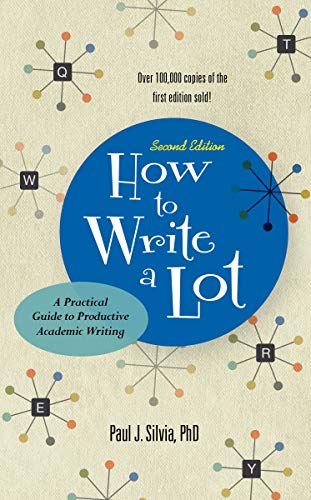
How to Write a Lot
Summary of key ideas
The Importance of Writing Productivity
In How to Write a Lot by Paul J. Silvia, we learn about the significance of writing productivity in academic and professional life. Silvia, a psychology professor, acknowledges that writing is a crucial aspect of an academic career, yet many struggle to be productive writers. He emphasizes that writing is a skill that can be developed and improved with practice, discipline, and the right strategies.
Silvia debunks the myth that successful writers are naturally gifted or inspired. Instead, he argues that regular, disciplined writing habits are the key to success. He introduces us to his concept of the 'binge' writer, who waits for inspiration and writes only when they feel like it, and the 'stylish' writer, who prioritizes elegance over productivity. Silvia advises against both approaches, advocating for a more pragmatic and disciplined approach to writing.
Setting Realistic Writing Goals
Next, Silvia discusses the importance of setting realistic writing goals. He suggests that writers should aim for regular, moderate output rather than sporadic, intense bursts of productivity. He introduces the concept of 'specious barriers', which are excuses we make to avoid writing, and encourages us to identify and overcome them. Silvia also emphasizes the importance of scheduling regular, uninterrupted writing time, and sticking to it, even when the muse is not present.
He introduces us to the concept of 'writing a lot' as a habit, rather than a one-time achievement. Silvia suggests starting with a modest goal, such as writing for 15-30 minutes a day, and gradually increasing the duration as the habit sets in. He also advises against waiting for the perfect time or conditions to write, emphasizing the importance of starting, even if the initial output is less than perfect.
Overcoming Common Writing Challenges
In the second part of the book, Silvia addresses common writing challenges, such as writer's block, procrastination, and perfectionism. He explains that writer's block is often a result of poor writing habits and can be overcome by setting realistic goals, breaking the writing process into manageable steps, and writing regularly, regardless of inspiration.
Silvia also provides strategies for dealing with procrastination, such as breaking the writing process into smaller, manageable tasks, and using rewards to motivate oneself. He advises against aiming for perfection in the initial drafts, emphasizing that writing is a process of revision and improvement.
Practical Tips for Productive Writing
In the final part of How to Write a Lot, Silvia offers practical tips for productive writing. He suggests that writers should focus on the process, rather than the product, and aim to produce a large volume of work, which can then be refined and improved. Silvia also discusses the importance of developing a writing style that is clear, concise, and easy to read.
He provides advice on managing the review and revision process, dealing with rejection, and maintaining writing productivity over the long term. Silvia concludes by reiterating that writing is a skill that can be developed through practice, and that regular, disciplined writing habits are the key to success. In summary, How to Write a Lot offers valuable insights and practical strategies for becoming a more productive writer, making it an essential read for anyone looking to improve their writing habits.
More knowledge in less time

Read or listen
Get the key ideas from nonfiction bestsellers in minutes, not hours.

Find your next read
Get book lists curated by experts and personalized recommendations.

Shortcasts
We've teamed up with podcast creators to bring you key insights from podcasts.
What is How to Write a Lot about?
How to Write a Lot by Paul J. Silvia provides practical advice and strategies for academic writers who want to increase their productivity. The book offers tips on setting writing goals, managing time effectively, and overcoming common obstacles. Silvia also addresses the importance of creating a regular writing routine and staying motivated. Whether you're a graduate student, researcher, or faculty member, this book can help you become a more prolific and successful writer.
How to Write a Lot Review
- Insights on efficient writing habits empower writers to overcome procrastination and produce more content consistently.
- The book emphasizes the importance of setting clear goals and establishing a regular writing schedule to maximize output and quality.
- By offering practical tips and actionable advice, it ensures readers stay engaged and motivated to improve their writing skills effectively.
Who should read How to Write a Lot?
Academic writers who want to increase their productivity and output
Graduate students and researchers seeking practical tips for overcoming writer's block
Professionals in any field who aim to improve their writing habits and meet deadlines consistently
Categories with How to Write a Lot
Book summaries like How to Write a Lot
 The Wisdom of CrowdsJames SurowieckiWhy the Many Are Smarter Than the Few4.4
 MasteryRobert GreeneMyths about genius and what it really means to be great4.3
 BounceMatthew SyedThe myth of talent and the power of practice 4.5
 Don’t Go Back to SchoolKio StarkA Handbook for Learning Anything3.7
 I Am MalalaMalala YousafzaiThe Girl Who Stood Up for Education and Was Shot by the Taliban 4.5
 The Education of a Value InvestorGuy SpierMy Transformative Quest for Wealth, Wisdom and Enlightenment4.3
 Ungifted: Intelligence RedefinedScott Barry KaufmanThe Truth About Talent, Practice, Creativity and the Many Paths to Greatness4.3
 The Master AlgorithmPedro DomingosHow The Quest For The Ultimate Learning Machine Will Remake Our World4.4
 Seven Brief Lessons on PhysicsCarlo RovelliTeaser: A mind-bending introduction to modern physics4.4
 Creative SuperpowersLaura Jordan Bambach, Mark Earls, Daniele Fiandaca, Scott Morrison (Ed.)Equip Yourself for the Age of Creativity4.4
 Bloody Brilliant WomenCathy NewmanThe Pioneers, Revolutionaries and Geniuses Your History Teacher Forgot to Mention4.2
 What They Don’t Teach You at Harvard Business SchoolMark H. McCormackNotes From a Street-Smart Executive3.9
 Why Don’t Students Like School?Daniel T. WillinghamA Cognitive Scientist Answers Questions About How the Mind Works and What It Means for the Classroom4.3
 The Personality BrokersMerve EmreThe Strange History of Myers-Briggs and the Birth of Personality Testing3.9
 MicromasteryRobert TwiggerLearn Small, Learn Fast, and Unlock Your Potential to Achieve Anything3.2
People ❤️ Blinkist
Become a member of our community of 44 million people

96k ratings

73k ratings
Laura H.
When I saw Blinkist had produced an infographic style Blink for the Rich Dad, Poor Dad book, it was a good reminder of the concepts I loved.
Thi Viet Quynh N.
Great app. Good selection of book summaries you can read or listen to while commuting. Instead of scrolling through your social media news feed, this is a much better way to spend your spare time in my opinion.
Guillem B.
Life changing. The concept of being able to grasp a book's main point in such a short time truly opens multiple opportunities to grow every area of your life at a faster rate.
People also liked these summaries
 #NeverAgainDavid Hogg, Lauren HoggA New Generation Draws the Line3.4
 Where You Go Is Not Who You'll BeFrank BruniAn Antidote to the College Admissions Mania4.3
 MythologyEdith HamiltonTimeless Tales of Gods and Heroes4.5
 RangeDavid EpsteinWhy Generalists Triumph in a Specialized World4.3
 The Call of the Wild and FreeAinsley ArmentReclaiming Wonder in Your Child's Education4.5
 OnwardElena AguilarCultivating Emotional Resilience in Educators4.4
 The PolymathWaqas AhmedUnlocking the Power of Human Versatility4.4
 Reader, Come HomeMaryanne WolfThe Reading Brain in a Digital World4.6
 UltralearningScott H. YoungMaster Hard Skills, Outsmart the Competition, and Accelerate Your Career4.5
 Why “A” Students Work For “C” Students And “B” Students Work For The GovernmentRobert T. KiyosakiRich Dad's Guide to Financial Education for Parents4.3
 Better TogetherTom Vander Ark, Lydia DobynsHow to Leverage School Networks For Smarter Personalized and Project Based Learning4.4
 The Coddling of the American MindGreg Lukianoff and Jonathan HaidtHow Good Intentions and Bad Ideas Are Setting Up a Generation for Failure4.4
 The Case Against EducationBryan CaplanWhy the Education System Is a Waste of Time and Money3.8
 Why Are All the Black Kids Sitting Together in the Cafeteria?Beverly Daniel TatumAnd Other Conversations About Race4.4
 The Little Book of TalentDaniel Coyle52 Tips for Improving Your Skills4.4
Trusted by the world's leading brands

Powerful ideas from top nonfiction
Try Blinkist to get the key ideas from 7,500+ bestselling nonfiction titles and podcasts. Listen or read in just 15 minutes.
Get started
Blink 3 of 8 - The 5 AM Club
by Robin Sharma